Will Silver Hit $200 per Ounce in 2026? Expert Analysis
Historical trends indicate that 2026 might present significant hurdles for those investing in silver. As a precious metal, silver stands apart from its counterpart gold due to its widespread utilization in various industrial processes, which consume nearly 50% of the global supply annually.
Silver’s Industrial Supply and Demand Dynamics
In 2025, silver experienced an extraordinary surge, climbing by an impressive 144%. This remarkable increase was driven by investors seeking refuge in precious metals amid escalating political and economic uncertainties. Additionally, apprehensions about a potential supply deficit intensified after China announced intentions to impose export limitations on silver, effective from January 1, 2026.
At its zenith, silver reached approximately $120 per ounce, shattering the $100 barrier for the first time ever. Since that peak, however, the price has retreated by 36%, currently hovering around $77 per ounce. Many are wondering if this pullback represents a prime entry point for investors anticipating another upward trajectory, perhaps even soaring to $200 this year. The reality, as we’ll explore, may not align with such optimistic expectations.
Silver shares numerous physical and chemical characteristics with gold, including superior electrical conductivity, resistance to corrosion, and high malleability, allowing it to be molded for diverse industrial needs. Yet, silver’s commercial applications far outpace those of gold.
Throughout history, only about 216,265 tons of gold have been extracted from the earth, underscoring its rarity, which drives the price of a single ounce to roughly $5,000. This exorbitant cost renders gold impractical for most manufacturing purposes, despite its similarities to silver.
In stark contrast, silver is far more plentiful, with annual mining output approximately eight times greater than that of gold. This abundance ensures a steady and dependable supply chain, making silver economically viable for industrial use. Consequently, more than half of the world’s annual silver production is absorbed by sectors such as electronics manufacturing, alloy production, soldering, and various other industrial goods.
China holds the position of the world’s second-largest silver exporter. In December, the nation introduced stringent measures to cap the volume of silver that its producers could sell on international markets. This policy shift immediately sparked concerns over impending supply shortages, propelling silver prices even higher. These export curbs took formal effect on January 1 and are slated to persist through the end of 2027.
As a leading producer of electronic devices, China aims to safeguard its internal supply chains by hoarding essential raw materials like silver. Beyond self-preservation, these restrictions provide Beijing with strategic bargaining power in trade discussions with major economies such as the United States and European nations, potentially easing other trade obstacles to benefit Chinese enterprises.
Historical Patterns Suggest Further Declines Ahead
Given its relative abundance compared to gold, silver is not typically regarded by investors as a reliable store of value. Indeed, before the 2025 rally, silver had failed to achieve a new all-time high for an astonishing 14 years. Examining the broader historical context reveals that over the past five decades, silver has delivered an average annual return of just 5.9%, lagging behind gold’s steadier 7.5% yearly gain during the same timeframe.
Gold generally exhibits a consistent upward trajectory over extended periods, often correlating with expansions in the U.S. money supply and a weakening U.S. dollar. This stability contrasts sharply with silver’s pronounced volatility.
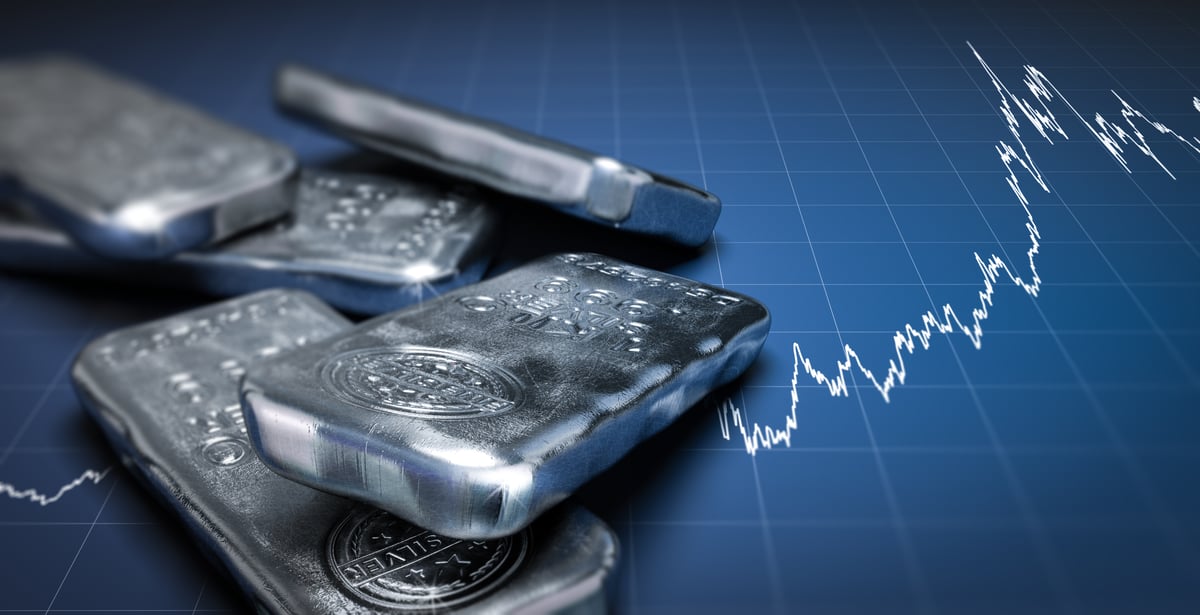
Silver’s price history is marked by dramatic swings. Following its 1980 peak, it plummeted by over 89%, requiring a full 31 years to regain lost ground. Even after establishing a fresh record high in 2011, it endured a subsequent 71% drop, with investors enduring another 14-year wait for full recovery. Those who committed capital directly to physical silver or via exchange-traded funds tracking the metal faced substantial losses during these downturns.
With silver already having declined 36% from its latest record peak, the potential for additional erosion exists. The unpredictability of China’s future actions adds uncertainty; should the export restrictions be relaxed, it could unleash a wave of selling as markets adjust to restored supply norms. Notably, President Donald Trump is scheduled to travel to China in April for discussions with President Xi Jinping, where trade negotiations are anticipated to feature prominently.
Drawing from these insights, a renewed push toward $200 per ounce in 2026 appears improbable. Historical precedents more strongly support the likelihood of continued downward pressure rather than explosive gains.
Investment Considerations for Silver Exposure
Silver’s dual role as both a precious metal and an industrial commodity creates a unique risk-reward profile for investors. While short-term catalysts like supply constraints can ignite rapid price advances, the metal’s dependence on economic cycles introduces heightened volatility. Industrial demand, particularly from booming sectors like renewable energy, electric vehicles, and advanced electronics, can bolster prices during expansionary phases. However, recessions or slowdowns in manufacturing often lead to sharp contractions in demand, exacerbating price declines.
Geopolitical factors, such as the ongoing U.S.-China trade tensions, further complicate the outlook. While current restrictions have tightened supply, any diplomatic breakthroughs could flood the market, pressuring prices downward. Investors must weigh these macroeconomic influences against silver’s long-term fundamentals.
Over the past half-century, silver’s annualized returns have trailed gold’s, reflecting its sensitivity to industrial cycles rather than pure safe-haven appeal. For those seeking exposure, diversified approaches—such as blending silver with gold or equities in mining sectors—may mitigate risks associated with its boom-and-bust tendencies.
In conclusion, while silver’s 2025 performance was spectacular, the path to $200 in 2026 is fraught with obstacles. Prudent investors will monitor trade developments closely and consider historical volatility before positioning for further upside.