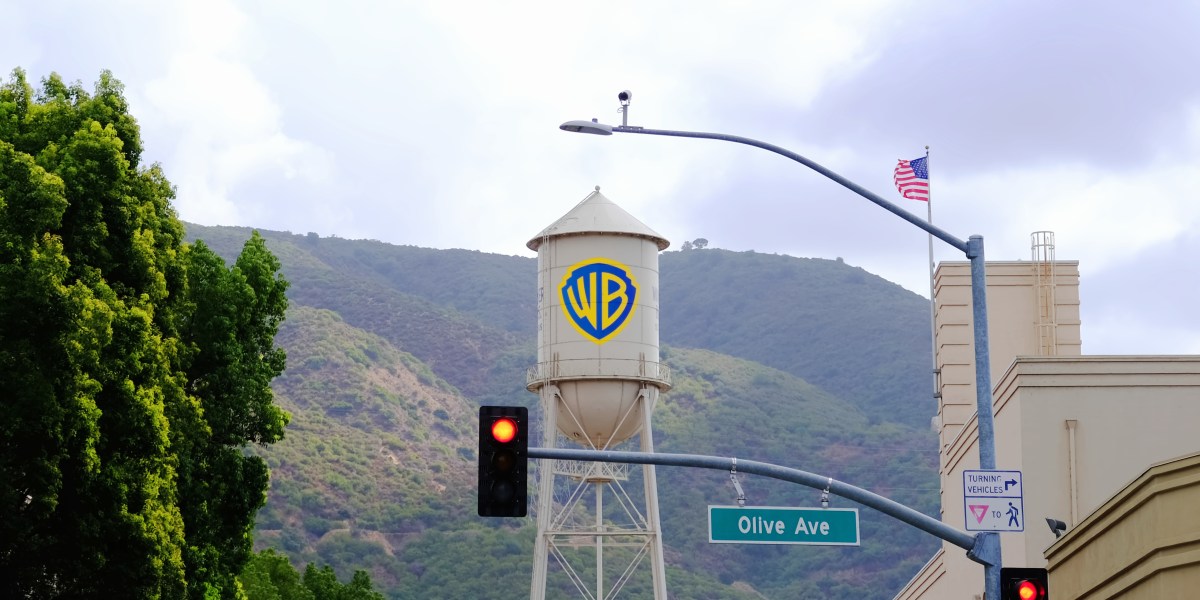
Warner Bros. Discovery Eyes Paramount Sale Talks Amid Netflix Deal
Warner Bros. Discovery Inc. is actively contemplating the possibility of resuming negotiations for a potential sale to its competitor, the Hollywood powerhouse Paramount Skydance Corp. This development comes after the company received an updated and amended proposal from what has been described as a persistent hostile bidder, according to individuals who are well-informed about the ongoing discussions.
Key figures within the Warner Bros. board of directors are presently deliberating on whether Paramount’s latest proposal could pave the way for a transaction that surpasses the terms already on the table. Sources close to the board’s internal deliberations indicate that this consideration might spark a renewed competitive bidding process, potentially pitting Paramount against Netflix Inc. once again. At this juncture, the board has not yet reached a definitive conclusion on its next steps, and it remains bound by a formal agreement with Netflix. These insiders, who spoke on condition of anonymity due to the sensitive and confidential nature of the talks, highlighted that no final decision has been made.
Paramount recently submitted revised terms in its offer last week, strategically addressing multiple points of contention that had previously raised eyebrows. Among the key adjustments, the company has committed to shouldering a substantial $2.8 billion termination fee that Warner Bros. would otherwise owe to Netflix should their existing pact be dissolved. Additionally, Paramount has pledged to provide financial backing for Warner Bros.’ efforts to refinance its debt obligations. To further bolster confidence, Paramount has also promised compensation to Warner Bros. shareholders in the event that the proposed transaction fails to materialize by December 31, a provision that signals the bidder’s strong belief in obtaining rapid clearance from regulatory authorities.
Despite these improvements, Warner Bros. leadership continues to harbor certain reservations regarding Paramount’s bid, some of which echo concerns articulated in earlier public statements from the company. However, this marks the first instance where the board is seriously evaluating whether Paramount’s evolving proposal might culminate in a more advantageous arrangement overall or, at minimum, compel Netflix to sweeten its own terms. Compounding this internal debate is mounting pressure from various shareholders, who have vocally urged the board to at least open lines of communication with Paramount to explore all viable options.
In a pivotal move, Warner Bros. has already entered into a definitive agreement to divest its iconic namesake film studio, along with the HBO Max streaming platform, to Netflix for a price of $27.75 per share. The company has been working diligently to expedite a shareholder vote on this Netflix arrangement, aiming to lock in the deal swiftly. Meanwhile, Paramount, which controls prominent networks such as CBS and MTV, has taken a more aggressive approach by directly soliciting Warner Bros. shareholders via a tender offer priced at $30 per share. Paramount has also been vigorously advocating to regulatory bodies in hopes of gaining approval for its alternative proposal.
Both Paramount and Netflix, the dominant force in the streaming sector, have signaled their readiness to escalate their respective bids if necessary to clinch the acquisition of Warner Bros., which stands as one of the biggest media conglomerates in the United States. Paramount’s Chief Executive Officer, David Ellison, has publicly stated that the current offer represents neither his ceiling nor a final stance. Similarly, Netflix executives have communicated to their investors that they possess the flexibility to increase their bid further if the circumstances demand it.
That said, both potential acquirers are proceeding with caution, mindful of not overextending financially. Netflix’s stock has experienced a sharp decline of over 40% since its peak in June, largely attributable to investor anxieties surrounding the implications and costs of the Warner Bros. acquisition.
Chris Marangi, who serves as co-chief investment officer at Gabelli Funds, expressed a measured perspective on the situation. Although he admitted to some disappointment that Paramount did not hike its per-share price in the most recent update, he praised the revised terms as evidence of creative deal structuring. “Like the Warner Bros. board, I want to see a sweetened offer,” Marangi remarked, noting that his firm holds a position in Warner Bros. shares.
Should Warner Bros. opt to revive discussions with Paramount, protocol would require it to first inform Netflix of this development. From there, Warner Bros. would seek to negotiate an upward revision from Paramount beyond the $30 per share mark. If Paramount delivers what the board deems a superior proposal, Netflix would then have the opportunity to counter with a matching or better offer.
The current frenzy traces its origins to Paramount’s unsolicited bid launched last year, which effectively kickstarted an auction process for Warner Bros. Paramount progressively raised its offer price on multiple occasions but ultimately came up short against Netflix’s winning bid. Undeterred, Paramount’s top executives have maintained that their proposal offers superior value and have dedicated considerable effort over the past several months to courting both regulators and shareholders.
Several prominent Warner Bros. shareholders, such as Pentwater Capital Management and Ancora Holdings Group, have publicly advocated for the board to pursue engagement with Paramount. Despite this support, the response to Paramount’s tender offer has been tepid so far, with only 42.3 million shares tendered as of the latest tally—representing less than 2% of the total shares outstanding.
This high-stakes corporate drama underscores the intense competition within the media and entertainment industry, where consolidation remains a key strategy amid shifting consumer habits and technological disruptions. Warner Bros. Discovery, grappling with its own challenges in streaming profitability and content production costs, finds itself at a crossroads that could redefine its future trajectory. The board’s deliberations carry significant weight, as any decision to pivot could not only alter deal terms but also influence market perceptions of strategic value in the sector.
Investors and analysts alike are watching closely, aware that the outcome could set precedents for future mergers in Hollywood. Paramount’s persistence, coupled with Netflix’s entrenched position, suggests that bidding wars of this magnitude may become more commonplace as companies jockey for scale in a fragmented market. For Warner Bros. shareholders, the potential for higher valuations offers optimism, though risks associated with regulatory hurdles and integration complexities loom large.