
Unlock Golden Returns with Mining Stocks
Exploring investments in mining stocks represents a strategic method to enhance your investment portfolio’s involvement with gold, alongside various other precious metals and essential industrial materials.
Stocks in mining firms—those enterprises responsible for extracting valuable resources such as gold, silver, or rare earth elements from the earth—are gaining substantial traction as favored investment choices. Prominent FTSE 100 players like Glencore and Fresnillo ranked as the second and third most sought-after stocks among Interactive Investor’s clientele in January, a period that aligned with remarkable surges in gold and silver prices.
How does investing in mining stocks function?
Mining stocks essentially represent ownership stakes in the corporations that extract raw commodities from beneath the surface of the earth.
In straightforward terms, the profitability of a mining operation stems from the revenue generated by selling extracted commodities subtracted by the expenses incurred in their production. By holding shares in these companies, investors gain a claim to a portion of those earnings.
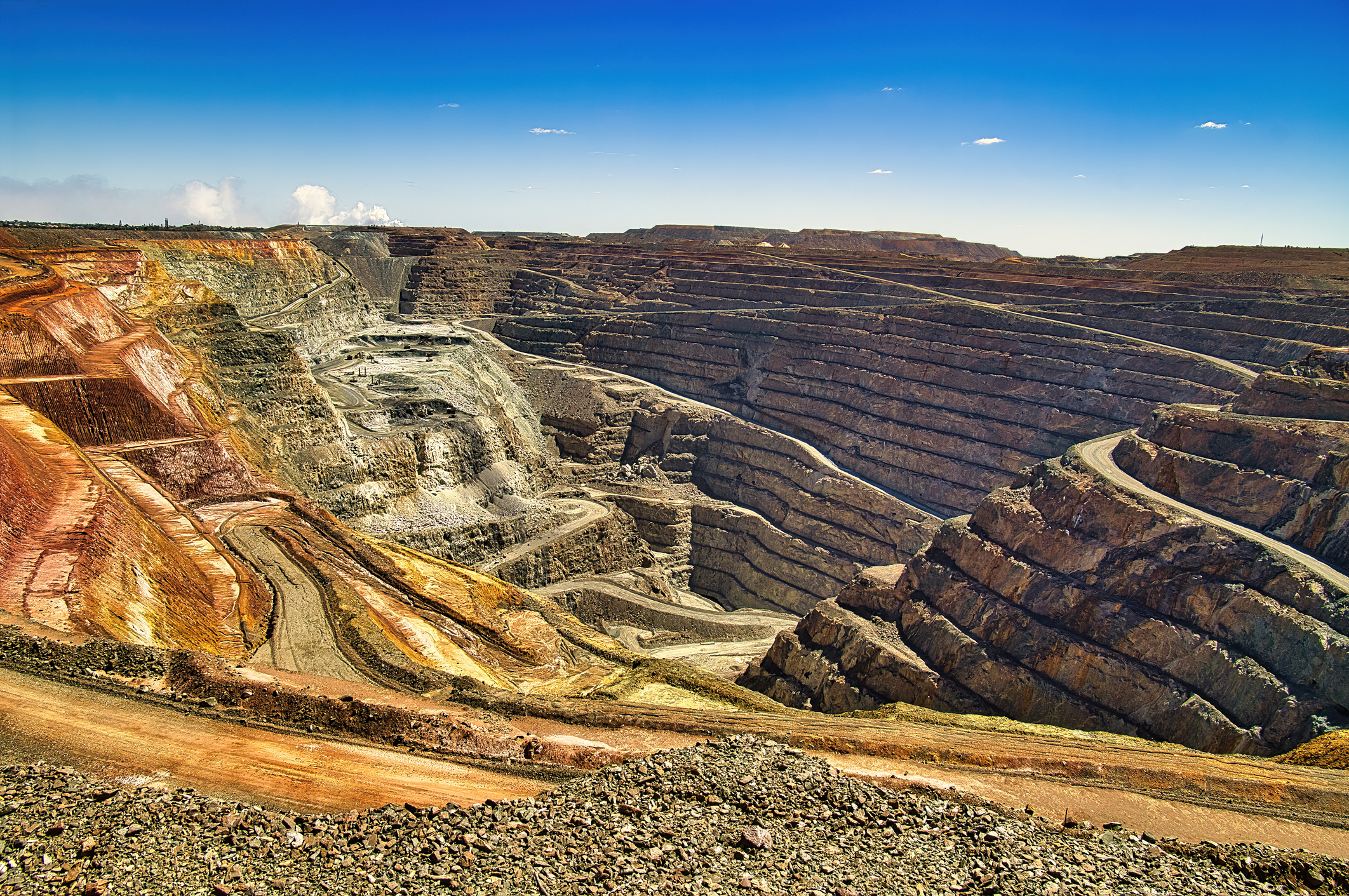
Mining equities carry a spectrum of risks, both advantageous and disadvantageous, when juxtaposed against direct investments in physical commodities, according to industry expert Hambro. Among the downsides, operational disruptions could arise, such as flooding at a mine site or labor strikes that halt production. Additionally, escalating operational expenses might occur due to surges in input costs, like a sharp increase in oil prices. Unlike physical gold, which passively appreciates or depreciates based solely on market price fluctuations, the success of a mining company hinges on the strategic acumen and decision-making prowess of its leadership team, which can differ significantly across firms.
Nevertheless, mining stocks possess the potential to capitalize on numerous favorable developments; for instance, fresh mineral discoveries could prolong a mine’s operational lifespan, or a takeover by a larger rival might propel the stock price upward abruptly. Moreover, in contrast to holding physical gold, silver, copper, or other commodities, shares in mining companies frequently distribute returns to shareholders through dividends, providing a steady income stream.
In what ways do fluctuations in commodity prices influence mining stocks?
When commodity prices climb, mining enterprises can experience exponential growth in their profit margins, provided that their core production costs remain stable or increase only marginally.
For example, on February 5, Barrick Mining, recognized globally as one of the premier gold producers, reported a staggering 79% jump in adjusted earnings per share, reaching $1.04 for the fourth quarter of 2025. The company’s leadership responded by boosting its quarterly dividend payout by over 140% compared to the prior period.
Over the 12 months ending February 11, Barrick’s stock value skyrocketed by 210%. Meanwhile, Fresnillo’s shares surged an even more impressive 390% during the identical timeframe; by comparison, the spot price of physical gold rose a more tempered 75% (with silver, another key output for Fresnillo, advancing 162%).
This disparity underscores a key characteristic: mining stocks tend to exhibit heightened volatility—and thus elevated risk—relative to physical commodities. However, this amplified risk profile is frequently offset by substantially superior returns during bullish market phases.
Will commodity prices continue their upward trajectory?
Mining stocks have reaped considerable benefits from the sharp escalation in prices of both precious and industrial metals throughout the past year. As is typical in investment circles, such rapid appreciations spark debates about the sustainability of these gains.
Hambro posits that the price swings observed in precious metals during late January and early February 2026 signify a consolidation phase, where prices settle at elevated levels after an intense rally. “Metals prices have surged dramatically, leading some to anticipate a pullback… caution prevails amid such substantial advances,” he explained. “Profit-taking may ensue as investors lock in gains.
Yet, as time progresses without a reversal, market participants grow accustomed to the new price regime. This acceptance gradually embeds into their valuation models.” Consequently, renewed purchasing activity emerges, driving further demand for metals and associated investment vehicles.
What exactly are mining royalties?
A distinctive feature of mining stocks, setting them apart from conventional equities, lies in their capacity to generate returns via royalties rather than solely through traditional dividends.
Dividends are disbursed from a company’s equity base, derived from net profits at the bottom of the financial statements. Royalties, however, consist of payments calculated as a fixed percentage of a mining firm’s gross revenue from the top line.
Securing royalty streams typically demands a significant upfront capital commitment into a mining venture during its nascent stages. Consequently, this avenue remains largely out of reach for average retail investors. In exchange, royalty holders receive a perpetual percentage of the mine’s sales revenue throughout its productive life.
This structure yields two primary benefits: payments are derived directly from sales figures, insulating recipients from cost overruns or profitability squeezes that might erode dividend payouts after expenses and taxes. Furthermore, should technological or exploratory advances extend the mine’s lifespan, royalty durations elongate accordingly, delivering prolonged income without additional investment.
Although direct royalty investments pose challenges for individual participants, certain investment trusts, including BlackRock World Mining Trust, incorporate royalty agreements into their portfolios, offering indirect access.
Strategies for investing in mining stocks
The simplest entry point into mining stocks involves purchasing individual shares outright via standard brokerage platforms. Given the unique risk factors inherent to mining operations—distinct from those of physical commodities—it is prudent to spread investments across multiple entities rather than concentrating holdings in a single company.
Dedicated mutual funds targeting mining sectors provide another avenue, such as the SVS Baker Steel Gold and Precious Metals Fund or the Jupiter Gold and Silver Fund.
Exchange-traded funds (ETFs) abound in this space as well. Notable options include the WisdomTree Strategic Metals and Rare Earths Miners UCITS ETF, which invests in firms producing critical materials for the energy transition; the HANetf ICAV Sprott Copper Miners ESG Screened UCITS ETF, centered on copper producers; and the L&G Gold Mining UCITS ETF, dedicated to gold mining enterprises.
Investment trusts extend further choices beyond BlackRock World Mining. Alternatives like Golden Prospect Precious Metals and CQS Natural Resources—both under shared management—cater to varied preferences: Golden Prospect emphasizes precious metals miners, whereas CQS Natural Resources maintains a broader mandate encompassing precious and industrial metals, with supplementary exposure to energy commodities such as oil and gas.
By leveraging these diversified instruments, investors can mitigate company-specific perils while harnessing the potent upside potential of the mining sector amid favorable commodity cycles.