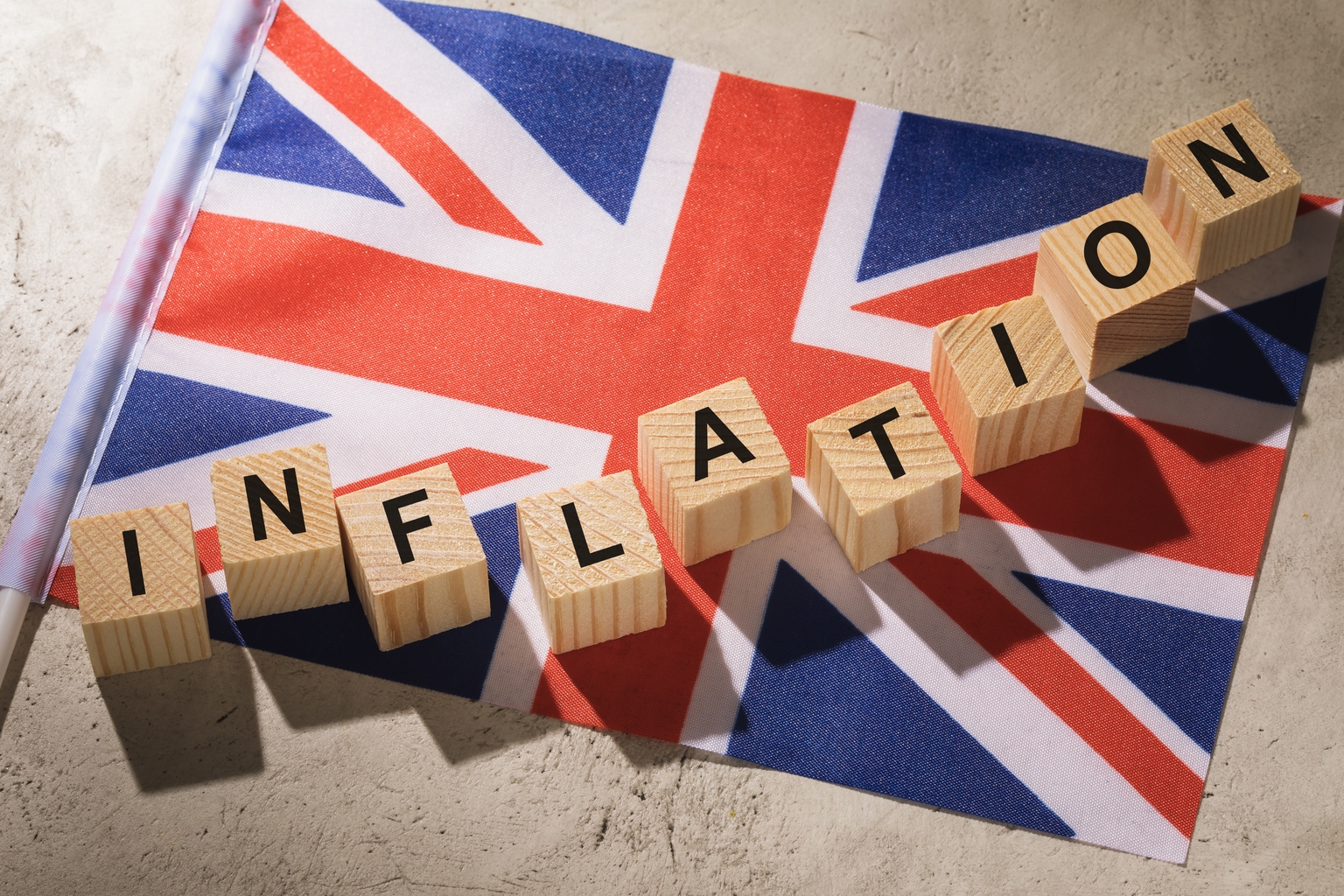
UK CPI Eases to 3.0% as Services Inflation Stays Firm; GBP/USD Holds Steady
UK Inflation Trends and Implications for Monetary Policy
The United Kingdom has recorded a noticeable decline in its annual consumer price inflation rate, which dropped to 3.0 percent in January 2026. This figure precisely aligned with economist expectations and represents the lowest inflation reading observed since March 2025. Coming off December 2025’s 3.4 percent rate, this development signals a meaningful cooling in price pressures across the economy.
Several key factors contributed to this moderation. Notably, transport costs experienced a significant slowdown, easing to 2.7 percent year-over-year. Food prices also showed restraint, decelerating to 3.6 percent. Adding to the downward momentum, prices on a monthly basis fell by 0.5 percent, marking the most substantial monthly decrease since the previous summer period. These shifts highlight a broad-based easing in commonly volatile components of the consumer price index.
Core inflation, which strips out more transient elements like energy and food, similarly trended lower to 3.1 percent. This marks its softest level in more than four years. Although inflation in the services sector continues to exhibit some persistence, hovering at elevated levels, the predominant trajectory points toward sustained disinflation. Such dynamics substantially elevate the probability that the Bank of England will implement a 25 basis point interest rate reduction to 3.5 percent during its upcoming policy meeting scheduled for March 19, 2026.
This latest data release underscores the evolving inflationary landscape in the UK, where headline measures are responding positively to prior tightening measures, yet certain domestic-driven components demand ongoing vigilance from policymakers.
Key Drivers Behind the Inflation Slowdown
The sharp pullback in transport-related inflation can be attributed to stabilized fuel prices and reduced pressures in logistics amid softer global commodity trends. Food inflation’s moderation reflects improved supply chain dynamics and seasonal adjustments following holiday peaks. The monthly deflationary impulse further reinforces that demand-side pressures are abating, potentially influenced by cautious consumer spending in a higher-for-longer interest rate environment.
Core measures provide a clearer lens on underlying trends, excluding short-term volatility. The dip to 3.1 percent suggests that wage growth, while still firm, is not accelerating unchecked, and imported disinflation from trading partners is filtering through. Services inflation, often a bellwether for domestic economic health, lingers around 4.5 percent, propelled by robust labor markets and hospitality sector pricing at 4.1 percent. This stickiness tempers expectations for aggressive easing but does not derail the broader path toward the Bank of England’s 2 percent target.
Bank of England Rate Cut Prospects Enhanced
- The combination of 3.0 percent headline and 3.1 percent core inflation positions a quarter-point cut to 3.5 percent as the baseline scenario for the March 2026 meeting.
- Market participants now anticipate a sequence of measured reductions thereafter, contingent on continued progress in damping price growth.
- However, any reacceleration in services or hospitality could justify a more gradual approach, preserving some restrictiveness to anchor inflation expectations.
Central bankers will weigh these figures alongside labor market indicators and global risks, but the current print tilts the balance toward policy normalization. This could mark the beginning of a multi-step easing cycle, aiming to support growth without reigniting inflationary forces.
GBP/USD Technical Outlook Amid Policy Shifts
The British pound against the US dollar, or GBP/USD, has maintained stability in immediate response to the data. The pair finds itself at a pivotal technical juncture, testing longstanding trendline support. Should this level hold firm, it could pave the way for renewed upside momentum, potentially targeting medium-term peaks observed earlier in the cycle.
Conversely, a decisive breach below this support might unleash stronger selling pressure, leading to an extended retracement toward prior lows. Traders will monitor subsequent Bank of England communications closely, as forward guidance on the pace of cuts will heavily influence sterling’s trajectory. Broader USD dynamics, tied to Federal Reserve expectations, will also play a crucial role in dictating the pair’s near-term path.
In summary, the UK’s inflation cooldown bolsters hopes for monetary relief, even as pockets of resilience in services underscore the need for prudence. GBP/USD’s steady stance reflects a market digesting these mixed signals, positioning it for potential volatility around upcoming policy decisions.