Uber App Launches Electric Air Taxi Bookings
Revolutionizing Urban Mobility with Electric Air Taxis
A transformative phase in aerial transportation is unfolding as the electric vertical take-off and landing (eVTOL) sector transitions from concept to practical implementation. Uber Technologies and Joby Aviation have officially announced that their fully electric air taxi service will commence operations, transporting initial passengers later this year in Dubai. This development signifies a pivotal achievement in their collaborative efforts to integrate multi-modal transport solutions into urban environments globally, effectively materializing a futuristic vision reminiscent of classic science fiction depictions of everyday flight.
Envisioning the user experience, passengers will be able to reserve an electric air taxi effortlessly through the familiar Uber application by simply inputting their desired destination in the standard “Where to?” field. Should the itinerary meet the necessary criteria, the Uber Air service, powered by Joby, will emerge as a viable choice among the available options. With just one tap, the platform will orchestrate the entire itinerary, encompassing seamless ground transportation via Uber Black for both pickup and drop-off points, ensuring a fluid and integrated journey from start to finish.
Design and Capabilities of Joby’s Electric Air Taxi
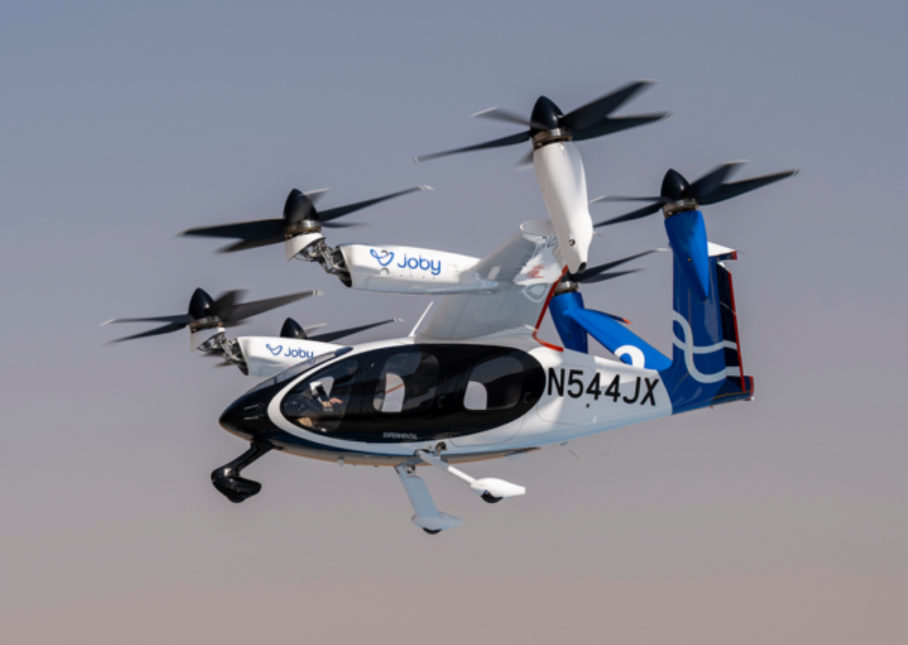
Joby Aviation’s innovative all-electric air taxi has been meticulously engineered to accommodate up to four passengers in plush, ergonomic seating arrangements. Every seat offers expansive windows that provide breathtaking panoramic vistas of the urban landscape below, enhancing the travel experience with stunning aerial perspectives. Operated by a fully certified commercial pilot, the aircraft employs a sophisticated propulsion system consisting of six tilting propellers. This configuration enables vertical takeoff capabilities, followed by a smooth transition into efficient forward propulsion. The vehicle boasts impressive performance metrics, including maximum speeds reaching 200 miles per hour and an operational range extending up to 100 miles on a single battery charge, making it ideal for short to medium-haul urban routes.
Expansion Plans and Regulatory Progress in the United States
Looking ahead to broader deployment, both Uber and Joby have shared detailed insights regarding the roadmap for introducing services in the United States. Prior to initiating commercial flights domestically, rigorous certification from the Federal Aviation Administration (FAA) is mandatory, involving comprehensive testing protocols. Joby has already amassed over 50,000 miles of flight testing across its aircraft fleet, marking substantial headway. The company has now entered the conclusive phase of this certification journey, underscoring its unwavering commitment to safety standards and methodical advancement toward passenger-carrying operations.
Market Context and Broader Implications
This partnership not only pioneers accessible air travel but also aligns with global pushes toward sustainable transportation alternatives. By leveraging electric propulsion, the service promises to drastically cut emissions compared to traditional helicopters, contributing to cleaner city skies. The integration into the Uber app democratizes access to premium aerial mobility, potentially reshaping commute times in congested metropolitan areas like Dubai and eventually major U.S. hubs such as New York, Los Angeles, or San Francisco.
The choice of Dubai as the launchpad is strategic, given the emirate’s progressive infrastructure investments and regulatory support for advanced aviation technologies. Authorities there have fast-tracked approvals, allowing for rapid prototyping and real-world validation. This initial rollout will serve as a critical proof-of-concept, gathering invaluable data on passenger preferences, operational efficiencies, and safety metrics to refine the service before scaling internationally.
Technical Innovations Driving the Service
At the heart of Joby’s aircraft lies cutting-edge battery technology and aerodynamic engineering that optimize energy use during both vertical and horizontal flight phases. The tilting propeller mechanism, a hallmark of eVTOL design, minimizes noise pollution—a common grievance with conventional rotorcraft—making it more neighbor-friendly for urban vertiports. Pilots undergo specialized training to handle the hybrid flight dynamics, ensuring precision in densely populated airspace.
From a passenger standpoint, the booking process mirrors the simplicity of hailing a car, with real-time pricing influenced by factors like distance, demand, and weather conditions. Safety features include redundant propulsion systems, advanced collision avoidance sensors, and continuous health monitoring of critical components, all compliant with the highest aviation standards.
Future Outlook and Competitive Landscape
As certification milestones are met, Uber and Joby anticipate expanding to additional cities, potentially introducing autonomous capabilities in the long term once regulatory frameworks evolve. Competitors in the eVTOL space, such as Archer Aviation and Lilium, are also advancing, but the Uber-Joby alliance benefits from Uber’s vast user base and logistical expertise. Investors and analysts view this as a high-growth avenue for both companies, blending ride-hailing scalability with aerospace innovation.
Challenges remain, including infrastructure development for vertiports, air traffic management integration, and public acceptance of routine air taxis. However, with Dubai’s launch imminent, the industry edges closer to normalizing electric flight as a staple of modern mobility. This service could alleviate ground traffic woes, offering time savings that translate to economic productivity gains for users across professional and leisure contexts.