Trump’s Plan to Sustain High US Home Prices
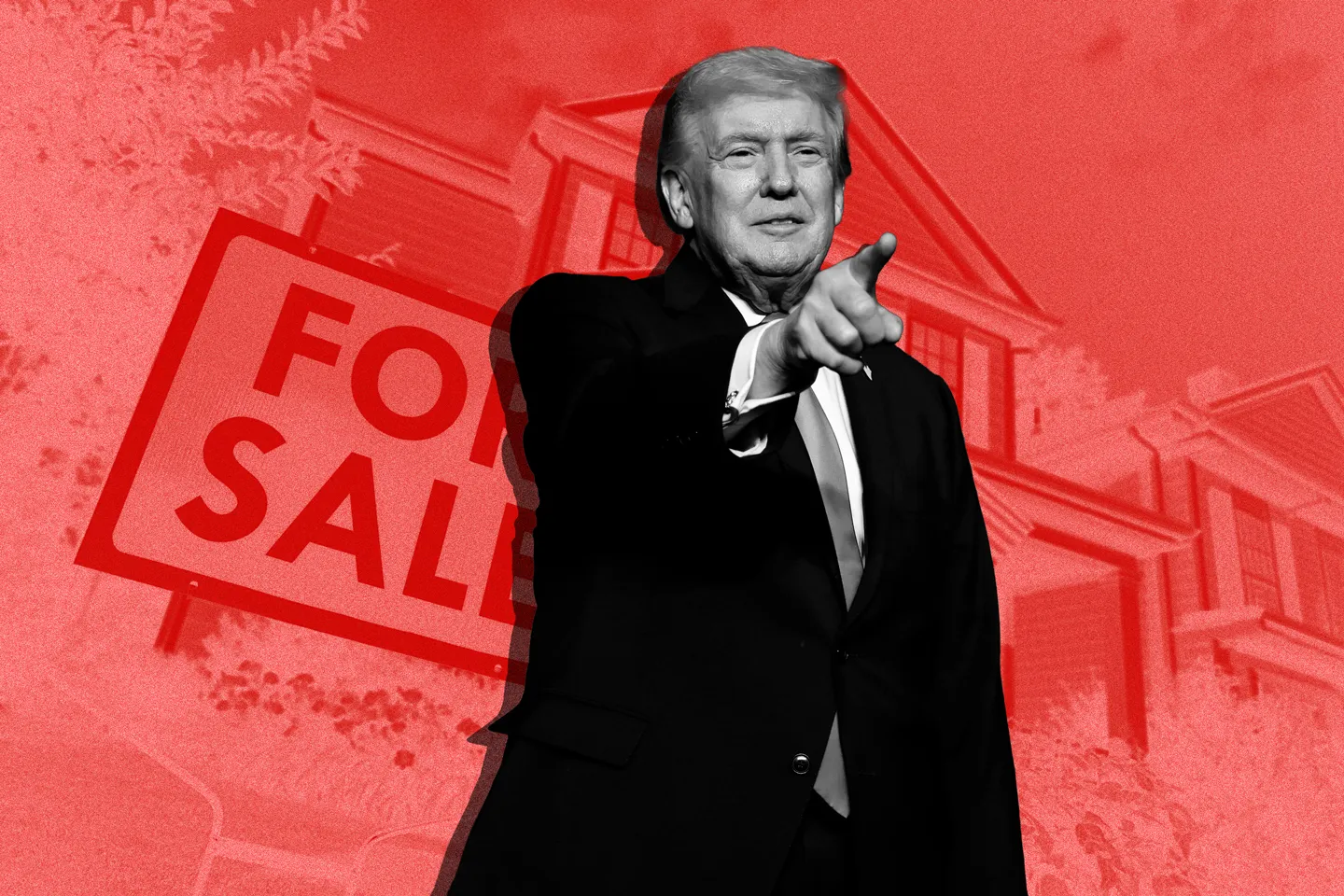
President Donald Trump continues to emphasize housing affordability issues throughout this year, yet he appears determined to avoid addressing one key element: elevated home prices.
The majority of housing specialists concur that boosting the supply of available homes represents a primary strategy for enhancing affordability. Greater levels of inventory generally lead to more moderate increases in home prices, thereby gradually strengthening the purchasing power of potential buyers. Nevertheless, such an expansion in supply would inevitably reduce overall property values, a consequence that Trump seems reluctant to endorse.
In a cabinet meeting held on January 29, Trump informed his team that numerous homeowners have experienced significant wealth accumulation due to the unprecedented appreciation in their property values. He expressed hesitation about pursuing any measures that might undermine those financial gains.
Trump stated explicitly, “I don’t want to drive housing prices down. I want to drive housing prices up for people that own their homes.” He elaborated, “When you make it too easy and too cheap to buy houses, those values come down.”
For individuals worried about the challenges of entering the housing market, proponents argue that ramping up supply does not inherently conflict with maintaining existing home equities. Jonathan Treble, a Democratic contender in Arizona’s first congressional district race, highlighted Trump’s disconnect from the realities faced by many aspiring homeowners.
Treble explained to Money, “Adding affordable housing doesn’t mean that for homes in other areas, those prices are going to go down.” He emphasized the feasibility of pursuing dual objectives simultaneously.
Trump’s rationale for advocating sustained high prices is straightforward. Homeownership has traditionally served as a cornerstone for building personal wealth through consistent annual appreciation, and existing owners have reaped substantial rewards from the sharp surges in property values witnessed during the pandemic era.
Data from the National Association of Home Builders indicates that home prices across the United States rose by nearly 55% from the start of 2020 through the third quarter of 2025. In certain urban areas, appreciation reached as high as 88%.
This escalation has propelled home equity to near-record highs. The St. Louis Federal Reserve pegs the total value of U.S. residential properties at more than $34 trillion. For homeowners with outstanding mortgages, the average equity stands at approximately $300,000, based on the latest figures from analytics firm Cotality.
Beyond economic incentives, political dynamics may also play a role in the president’s preference for rising home prices. Pew Research Center findings reveal that voters aged 55 and older, who predominantly support Republicans, boast the highest homeownership rates according to U.S. Census Bureau statistics, while younger demographics lean toward Democrats.
As midterm elections loom later this year, analysts warn that Republicans risk forfeiting control of the House of Representatives, which could severely hamper Trump’s legislative ambitions. Kevin Leibowitz, president and CEO of Grayton Mortgage, cautioned that any downturn in home values attributable to policy decisions would alienate a crucial voter segment.
Leibowitz noted, “If their home prices go down, and it’s viewed as a result of actions or inactions of politicians, the voting base is going to be rankled.” He added that such discontent would prove particularly detrimental during an election cycle.
Trump’s Efforts to Reduce Interest Rates
Enhancing access to homeownership for prospective buyers remains a core objective for the Trump administration. Rather than prioritizing an increase in housing stock, the focus has shifted to slashing mortgage rates as the primary avenue for bolstering affordability.
During the cabinet discussion, Trump remarked, “The best thing that can happen for both groups of people is lower interest rates.” He continued, “Lower interest rates keep the values up for the people that have housing and lets other people buy housing.”
The administration has already implemented initiatives to achieve this goal. In January, Trump directed representatives at Fannie Mae and Freddie Mac to purchase $200 billion worth of mortgage bonds. This move promptly reduced mortgage rates by roughly 0.2 percentage points, marking the lowest levels in over a year.
Although rates have experienced a minor uptick following the announcement, they persist at nearly a full percentage point below last year’s figures. A recent analysis from Redfin, the online real estate brokerage, projects that the typical monthly mortgage payment has dropped by around $125 over this timeframe.
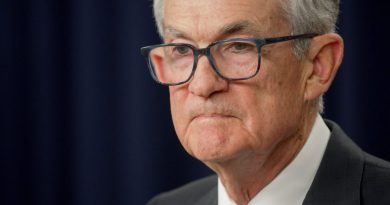
Trump is also applying considerable influence on the Federal Reserve to decrease the federal funds rate, which governs the cost of short-term interbank lending and influences broader borrowing expenses economy-wide. To date, the Fed has held firm against these overtures.
Even supposing the central bank enacts cuts, these may not directly translate to reductions in mortgage rates. Lenders calibrate their offerings according to prevailing economic indicators and the Fed’s assessment of macroeconomic health. Should economic indicators soften and prompt anticipatory signals of rate relief from the Fed, this could drive down rates more effectively than the cuts themselves.
Additionally, the White House has proposed alternative measures, such as extending mortgage terms to 50 years to ease monthly obligations and permitting buyers to tap into 401(k) funds for down payments. However, each of these ideas encounters formidable barriers to realization.