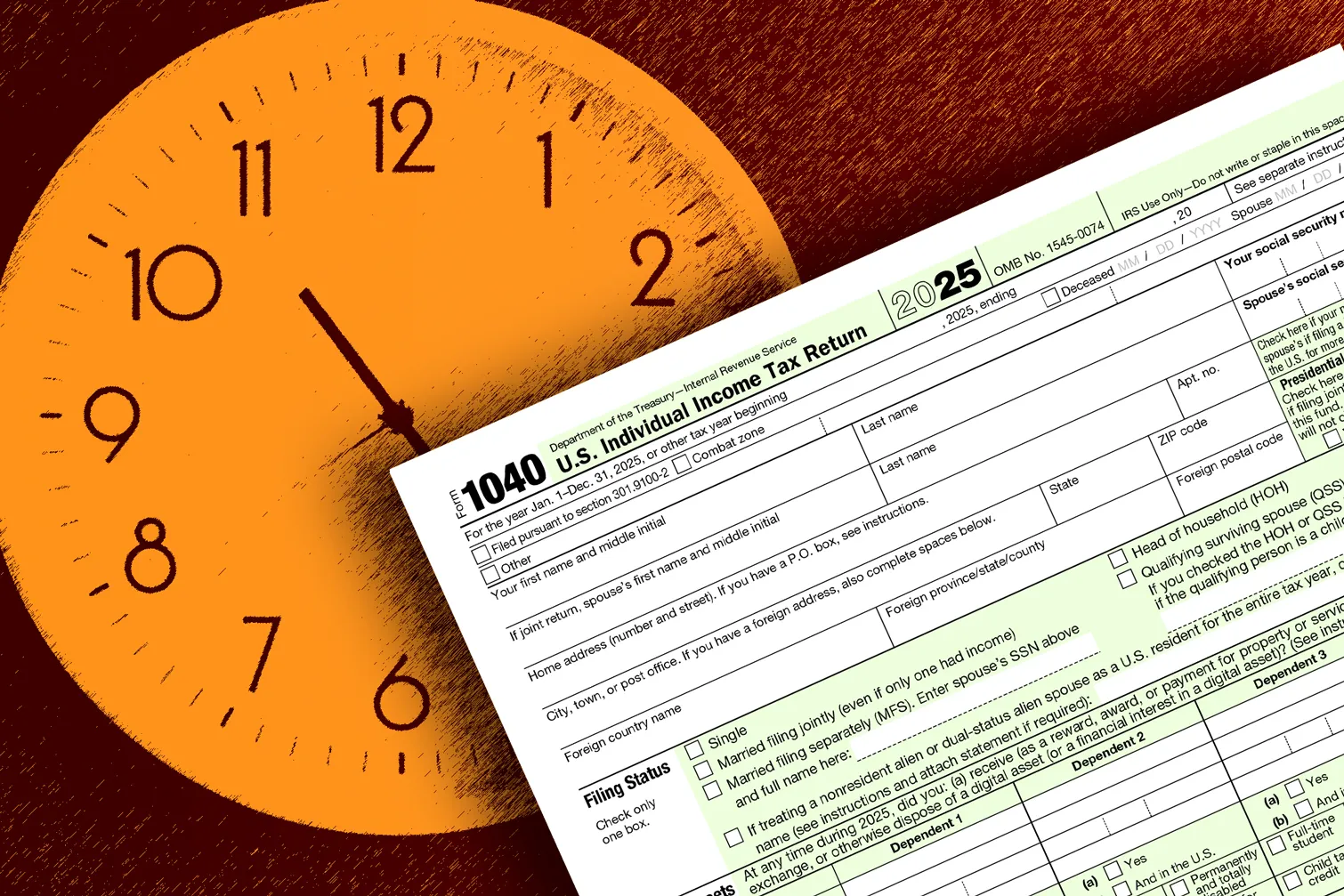
Tax Filing Start Date 2026: When to Submit Returns
Even though winter may still linger, the arrival of Tax Day approaches swiftly, much like the inevitable spring rains.
Resisting the urge to delay your tax filing until the final moments is a wise strategy. Procrastination can lead to significant penalties if you submit late, along with interest charges on any owed amounts if applicable. Note that requesting an extension merely extends the filing deadline for your return, but you must still settle any taxes due by April 15.
By submitting your taxes ahead of schedule, you sidestep these potential costs and complications entirely. In reality, you have the option to file your 2025 tax returns right now. The Internal Revenue Service has already opened acceptance for these submissions. Below is essential information to guide you through the process.
When Does the Federal Tax Filing Season Begin?
If you prefer not to postpone your tax obligations until the deadline, that’s commendable. Delaying often results in unnecessary stress. Moreover, if a refund is due to you, early filing accelerates the receipt of those funds, provided there are no processing issues.
The precise start date for tax-filing season fluctuates annually, but the IRS typically initiates it near the close of January or the onset of February, akin to the timing of major events like the Super Bowl.
Tax Day remains fixed on or adjacent to April 15, shifting only for weekends or holidays. For 2026, it falls squarely on April 15.
The IRS determines the opening of filing season based on various elements, such as legislative updates to tax codes and the organization’s operational preparedness.
Specifically for this year, the IRS declared that it would commence accepting 2025 tax returns starting January 26, marking the official launch of the 2026 filing period. Any returns prepared earlier through tax services or professionals were simply held until this date.
Last year, some taxpayers utilized the IRS’s free Direct File tool for straightforward returns, but the agency announced in November its discontinuation after 2024, despite over 140,000 users. This decision came amid ongoing rumors of its potential end.
Direct File differs from the enduring Free File initiative, which continues through collaborations with prominent tax software providers. Free File remains accessible to those with adjusted gross incomes up to $84,000.
Regardless of your chosen filing method, preparation is key. Collect necessary forms like your W-2 for wage income or 1099s for freelance earnings, investment interest, or other non-wage sources.
If you lack a bank account, establishing one promptly is advisable. The IRS revealed last fall its plan to phase out paper refund checks in most cases, prioritizing direct deposits.
Already, about 93% of refunds arrive via direct deposit, enabling quicker and more cost-effective distribution according to the agency. For the remaining few who preferred checks, switching to a bank or credit union account ensures prompt refund delivery.
When to Begin Filing State Tax Returns?
State income taxes fall under separate agencies, yet most align their schedules closely with the federal IRS timeline.
The majority of states synchronize their tax calendars with the IRS, though exceptions exist. For example, Hawaii and Oklahoma extend the deadline to April 20, with Oklahoma requiring electronic filing for the full extension. Delaware, Iowa, and New Mexico (for e-filings) allow until April 30. South Carolina and Virginia (electronic filers) push to May 1, while nine states impose no income tax whatsoever.
Key Reasons to File Your Taxes Early
Few individuals rush to file taxes at the earliest opportunity, yet submitting early—particularly for intricate returns—offers substantial advantages.
Primarily, if a refund awaits, early action hastens its arrival. Conversely, if taxes are owed, you gain extra time to arrange payment within your financial plans.
Early filing reduces vulnerability to identity theft schemes where fraudsters file fraudulent returns in your name to claim refunds. Despite enhanced safeguards by the IRS and states, the threat persists.
Procrastinating places you amid a crowd of last-minute filers. Although online filing has eliminated postal queues, support demands—such as IRS contact or assistance—may encounter extended virtual wait times or site overloads.
For the 2026 season, these benefits are amplified. Significant reforms from the One Big Beautiful Bill Act, coupled with a reduction of 20,000 IRS staff, may cause processing backlogs and prolonged support delays, as noted in an early-year agency memo. Those with complex scenarios or needing help should file promptly to avoid the surge.
Additionally, for paid preparation services, delaying can inflate costs. Many large tax firms raise fees as April 15 nears, a standard industry practice.
To elaborate further on federal timelines, the IRS’s decision to open on January 26 reflects careful assessment of processing capabilities and recent law adjustments. This early start benefits proactive filers, allowing them to resolve any discrepancies swiftly before peak volumes hit.
Regarding state variations, understanding local rules prevents oversights. For instance, in states like South Carolina, electronic submission not only extends deadlines but often speeds up refunds through automated systems mirroring federal efficiencies.
Preparation extends beyond forms; organizing records for deductions, credits, or self-employment income ensures accuracy. Early filers often discover overlooked savings, such as energy credits or education expenses, maximizing returns.
On refunds, direct deposit’s supremacy underscores modernization efforts. The shift eliminates mailing delays and lost checks, with statistics showing direct deposits process up to three weeks faster than alternatives.
Identity protection merits deeper consideration: Criminals target early-season delays less when volumes are low, giving the IRS more bandwidth to flag anomalies via advanced algorithms.
Customer service strains peak mid-March to April; early birds access clearer guidance on nuances like amended returns or audit queries without frustration.
Tax law evolutions, including bracket adjustments and deduction phases, complicate 2026 filings. The staff cuts exacerbate this, potentially stretching routine reviews from weeks to months.
For businesses or high earners with Schedules C, E, or K-1s, early submission aligns with quarterly estimates, maintaining compliance seamlessly.
In summary, the strategic window from January 26 to April 15 empowers informed planning, turning a dreaded chore into a controlled process with tangible financial upsides.