Tariff-Driven Coffee Price Surge Cuts Starbucks and Fast Food Runs
For many years, a daily visit to McDonald’s was a cherished routine, complete with a cup of coffee loaded with 10 sugars and five creams. In more recent times, those habits evolved to include indulgent Starbucks caramel macchiatos prepared with almond milk and featuring two pumps of syrup, becoming equally ingrained in everyday life.
Coffee has served as a steadfast morning ritual for Chandra Donelson ever since she reached the age where she could enjoy it. However, confronted by escalating costs, this 35-year-old resident of Washington, D.C., made the shocking decision to abandon it entirely.
“I maintained that daily habit for years. I absolutely adored it. It was simply my go-to routine,” she explains. “And now, it’s completely off the table.”
The persistent upward trajectory of coffee prices over recent years has prompted numerous coffee enthusiasts across the United States to radically alter their behaviors. Many are now skipping trips to cafés, opting instead for more budget-friendly alternatives at home, or even eliminating coffee from their diets altogether.
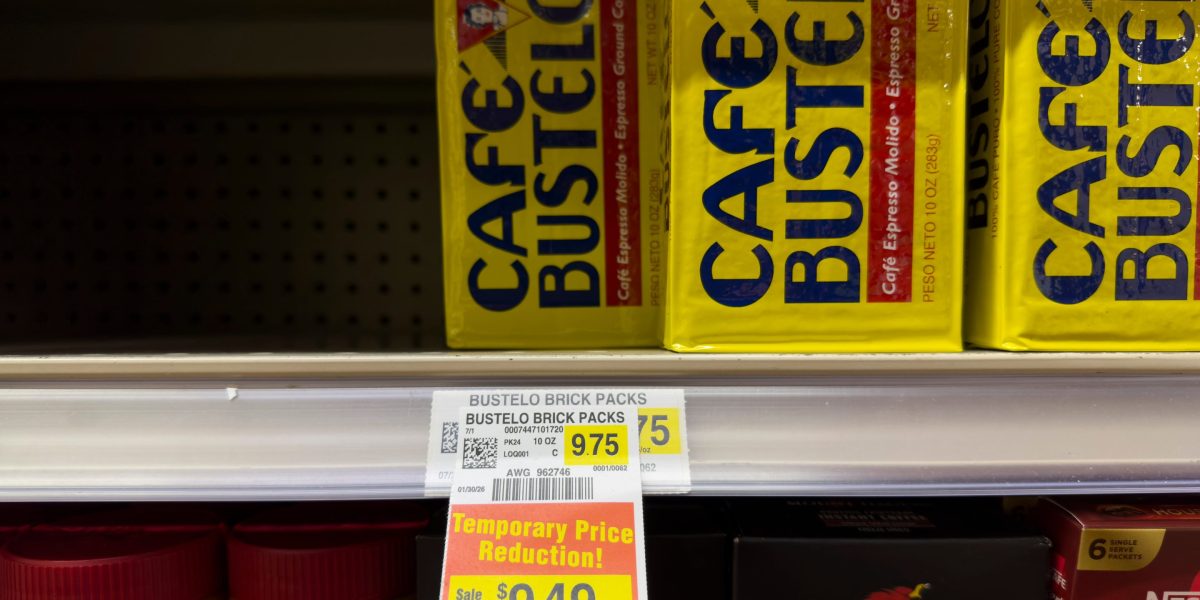
According to the most recent Consumer Price Index data released on Friday, coffee prices in the United States surged by 18.3% in January compared to the previous year. Looking back over a five-year period, government statistics reveal an even more staggering increase of 47%.
This dramatic escalation in costs has compelled individuals to adopt drastic strategies to cope with the financial strain.
“In the past, I believed it was impossible to get through my day without that essential cup of coffee,” shares Liz Sweeney, a 50-year-old from Boise, Idaho, who once identified as a self-proclaimed “coffee addict” but has since significantly reduced her intake. “These days, my car isn’t automatically steering me toward the drive-thru anymore.”
Sweeney’s previous routine involved brewing three full cups of coffee at home every single day, supplemented by additional stops at local cafés whenever she ventured out. However, as prices continued to rise throughout the previous year, she eliminated all coffee shop outings and pared down her daily consumption to just one cup prepared at home. To compensate for the reduced caffeine levels, she now reaches for a can of Diet Coke in the morning or swings by McDonald’s for a quick alternative beverage.
Similarly, Dan DeBaun, a 34-year-old from Minnetonka, Minnesota, has curtailed his visits to coffee shops, becoming acutely aware of the mounting expenses while he and his wife diligently save for their future home purchase.
“A coffee that once cost me just $2 has now ballooned to $5 or even $6,” DeBaun notes. These days, he purchases ground coffee from Trader Joe’s and prepares it in a travel mug to carry with him to the office, ensuring he stays fueled without the premium price tag.
Insights from Toast, a widely used payment platform servicing over 150,000 restaurants, indicate that the median price for a standard hot coffee across the U.S. reached $3.61 by December, with significant disparities observed depending on geographic location. For cold brew varieties, the median price stood even higher at $5.55.
Nearly all coffee enjoyed by Americans is sourced through imports. Although certain coffee imports faced tariffs in 2025, these measures were eventually lifted. The primary culprits behind the supply shortages and resultant global price hikes are environmental challenges, including severe droughts in Vietnam, excessive rainfall in Indonesia, and prolonged hot, dry conditions in Brazil, all of which have severely hampered coffee crop yields.
The National Coffee Association reports that two-thirds of Americans consume coffee on a daily basis. For a vast number of these devoted drinkers, coffee remains an irreplaceable cornerstone of their daily regimen, leading to little more than vocal complaints amid the price increases.
Surveys conducted by the coffee association demonstrate that overall consumption levels have remained relatively stable in the face of these price surges. Nevertheless, with households grappling with elevated costs across a spectrum of essentials—from housing to meat—many are compelled to rethink and revamp their coffee customs entirely.
Sharon Cooksey, 55, from Greensboro, North Carolina, used to make weekday morning pilgrimages to her neighborhood Starbucks for a caramel latte, a tradition she began to scale back last year. Her initial adjustment involved brewing Starbucks coffee pods right in her own kitchen. Subsequently, she stumbled upon Lavazza coffee, which proved to be approximately 40% more affordable, prompting her to make the switch.
“I can snag a whole bag of coffee for only $6?” she recalls thinking in astonishment. “It felt like I had unlocked an entirely new dimension. The coffee aisle at Publix suddenly revealed a multiverse of possibilities to me.”
Cooksey acknowledges that even her at-home brewing expenses have inched higher over time, yet they pale in comparison to what she used to spend at the café. A single bag of beans, sufficient to last for several weeks, equates roughly to the price of just one latte from the shop.
She does lament the loss of the communal vibe at the café, where friendly baristas knew her by name and made her feel like a regular. Surprisingly, though, she has grown to appreciate the flavor of her home-prepared brews even more than before.
“I’ll be darned, but it actually tastes fantastic,” she admits with delight.
During her childhood, Donelson observed her mother’s daily coffee excursion to McDonald’s—with the same extravagant addition of 10 sugars and five creams—with a sense of longing, eventually adopting the very same practice herself. Her career path took her from college studies to service in the Air Force and onward to a position in government as a strategist specializing in data and artificial intelligence, yet coffee steadfastly accompanied her through every phase.
The creeping rise in her coffee expenditure caught her attention, but she persisted with the habit until a government shutdown last fall disrupted her paychecks, forcing her to scrutinize and reduce her outlays. In search of an economical morning pick-me-up replacement, she settled on a blend from Republic of Tea, enhanced with a simple squeeze of honey for natural sweetness.
“It works out to about twenty cents per cup versus the $7 or $8 I was shelling out before,” she calculates. “When you run the numbers, the decision is crystal clear.”
These personal anecdotes reflect a broader trend among American consumers who are recalibrating their coffee spending habits in response to unrelenting price pressures. What was once an unquestioned indulgence has transformed into a calculated choice, with many prioritizing affordability without entirely sacrificing their caffeine fix. Home brewing has surged in popularity, as individuals experiment with cost-effective brands and methods to replicate the café experience. Meanwhile, the environmental factors exacerbating global supply issues continue to cast a long shadow over future price stability, urging even more adaptations in daily routines.