Starbucks Shows Early Asset-Lite Shift in China with Upgrade
Starbucks is beginning to demonstrate potential improvements through an asset-light strategy, particularly in its China operations, which has prompted an analyst upgrade.
The company is leveraging the marketing prowess of its CEO, Brian Niccol, who has significantly boosted brand awareness through innovative advertising campaigns and strategic operational adjustments. Niccol’s leadership emphasizes practical, hands-on tactics aimed at streamlining customer experiences, such as minimizing wait times at stores, broadening the range of merchandise offerings, and breathing new life into traditional restaurant formats that have been part of Starbucks’ heritage.
Insights from the most recent earnings reports and presentations during the investor day highlight that Starbucks’ future expansion will primarily rely on these step-by-step operational enhancements rather than sweeping overhauls. While these efforts represent solid progress, they fall short of introducing a comprehensive, game-changing vision for the business. Instead, the focus remains on gradual refinements to the core operational framework that has defined the company for years.
From New York on February 15, observers have consistently praised Brian Niccol as an exceptional marketer. The compelling advertisements and promotional momentum he has generated around Starbucks position him among the most influential advertising visionaries of modern times, reminiscent of legendary figures from the advertising world.
Starbucks’ current trajectory suggests that incremental changes under Niccol’s guidance, while beneficial, are unlikely to generate the exceptional financial returns that investors are pricing into the stock today. These modifications to the established business model will deliver steady but not transformative results. In contrast, adopting a more asset-light refranchising approach could substantially elevate return profiles, offering a stronger pathway to meeting the high expectations embedded in the company’s current valuation.
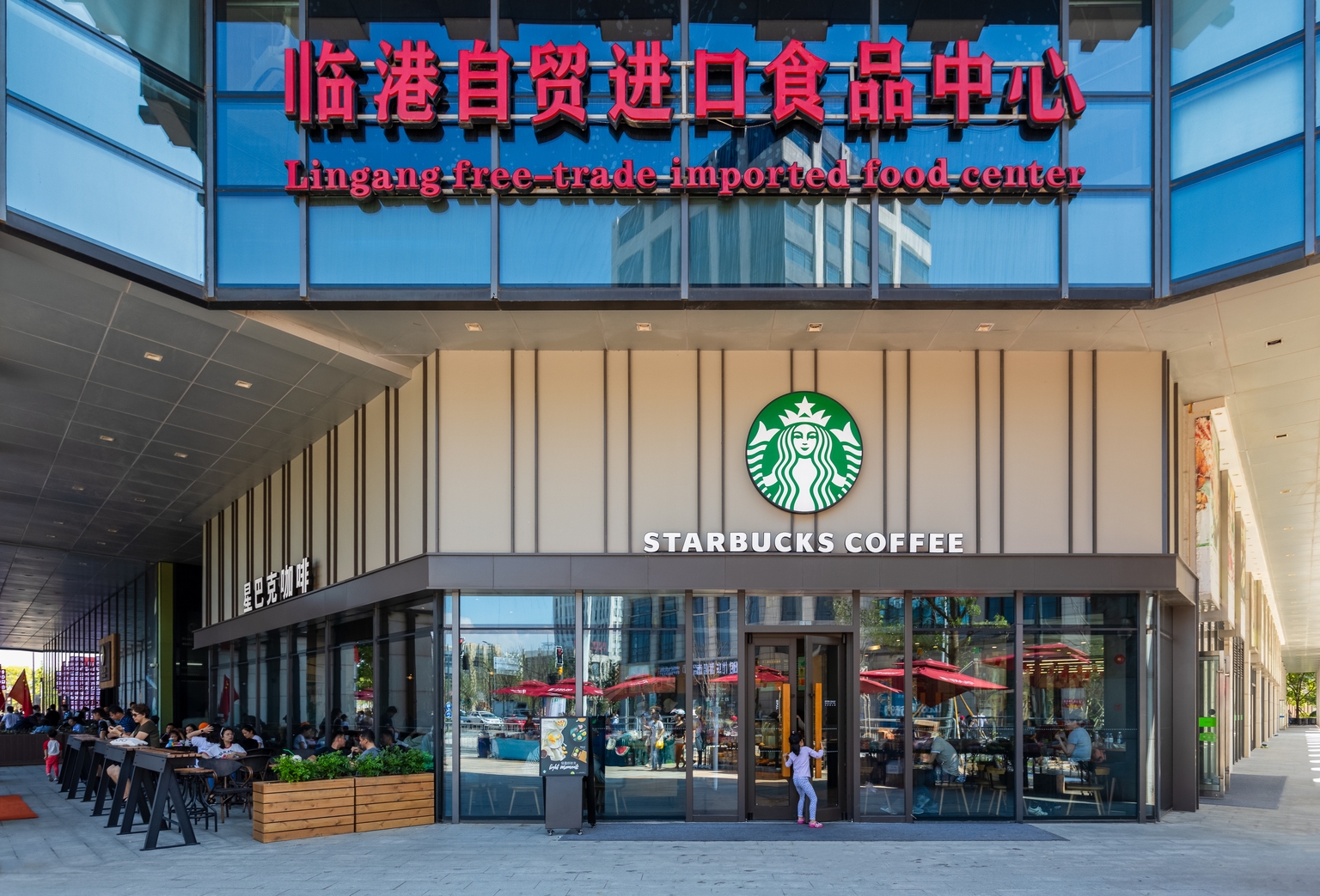
This shift toward asset-lite operations, especially evident in China, marks a pivotal evolution. By reducing capital-intensive ownership of stores and partnering with franchisees, Starbucks can lower its fixed costs, improve capital efficiency, and accelerate expansion without proportionally increasing its balance sheet burdens. Such a model has proven successful for other quick-service restaurant chains, allowing for scalable growth while maintaining brand standards through rigorous oversight.
In China, where Starbucks has faced intensifying competition from local players and economic headwinds, this strategy could unlock new potential. Recent developments indicate early signs of refranchising or similar lightweight structures, which might alleviate pressures on margins and free up resources for innovation in menu offerings and digital engagement. Analyst sentiment has turned more positive, reflected in upgrade actions, as this approach aligns with long-term sustainability goals.
Niccol’s tactical expertise continues to shine in areas like personalized marketing via mobile apps and loyalty programs, which drive repeat visits and higher spend per customer. Operational tweaks, including optimized store layouts and supply chain efficiencies, further support this foundation. However, to truly justify premium multiples, Starbucks must layer on the asset-lite pivot more aggressively across key markets.
Looking ahead, earnings communications will be crucial in detailing the pace of this transition. Investors should watch for metrics on franchised store contributions, royalty revenues, and overall return on invested capital. If executed well, this could position Starbucks for robust, above-market growth, bridging the gap between current operations and ambitious share price targets.