Smart Meter Compensation Quiz: Test Your Finance Knowledge
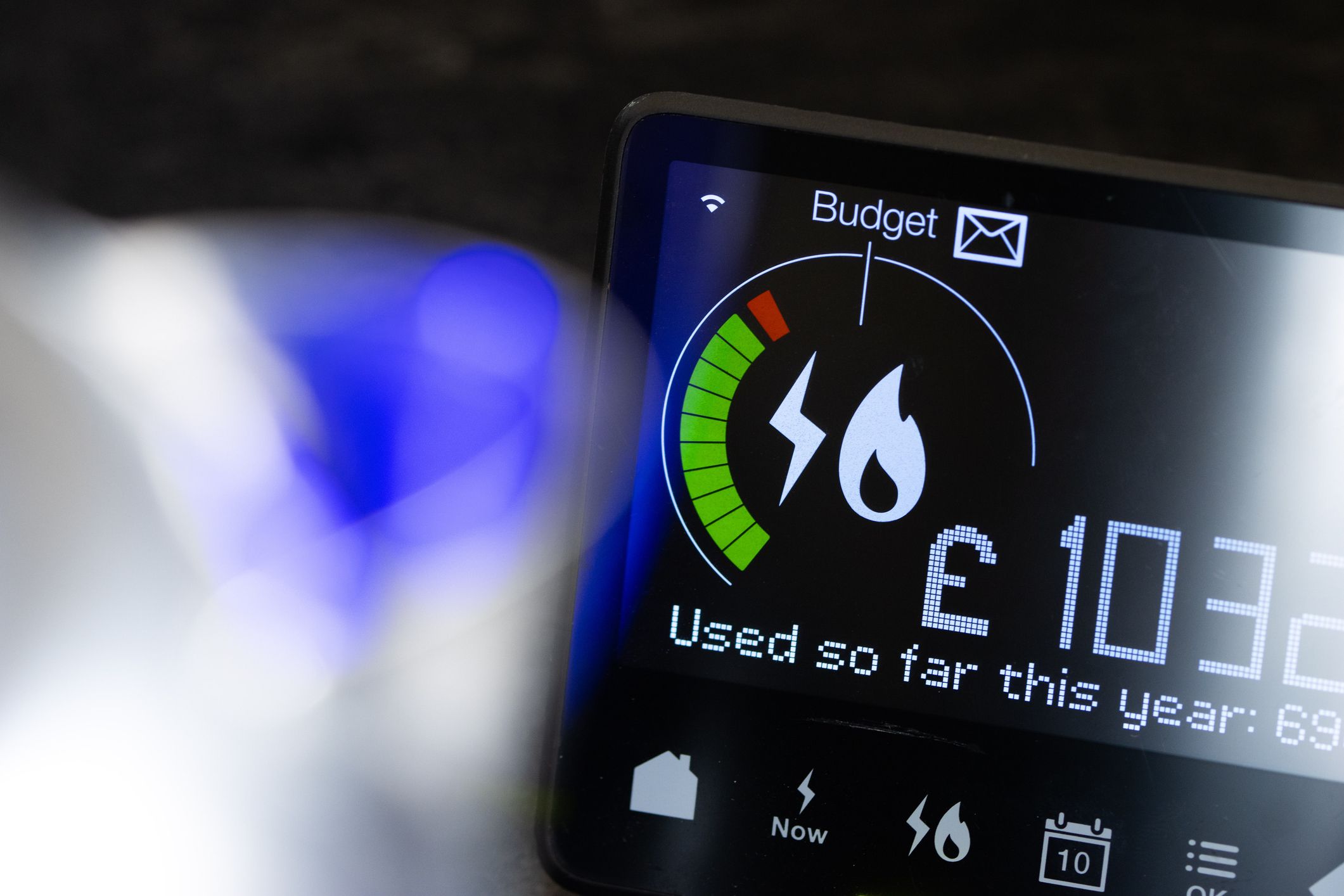
Recent updates to smart meter regulations have taken effect, allowing consumers dealing with defective smart meters to receive automatic compensation. Eligibility arises when a customer notifies their supplier of an issue with the smart meter, yet the supplier fails to deliver a resolution plan within five working days.
These updated smart meter guidelines also apply to situations where individuals must wait longer than six weeks for an installation appointment, or when the scheduled fitting does not proceed due to an error on the supplier’s part.
In other financial developments, the February Premium Bonds prize draw brought joy to millions of savers nationwide, transforming two fortunate participants into millionaires overnight.
This week’s financial headlines covered a range of important topics. How well do you recall the key details? Challenge yourself with MoneyWeek’s engaging news quiz to assess your grasp of recent events.
Question 1: What is the smallest prize available in Premium Bonds?
- £5
- £15
- £25
- £100
Premium Bonds offer a unique way for savers to potentially win tax-free prizes, with the smallest reward designed to provide broad accessibility for participants across various savings levels.
Question 2: What defines the primary objective of an activist investor?
- To acquire a significant minority stake in a company to influence its management and operations
- To provide short-term loans to companies facing immediate bankruptcy in exchange for high interest rates
- To manage a company’s daily operations and employee hiring processes after a full merger or acquisition
- To provide seed funding to early-stage startups in exchange for equity
Activist investors strategically purchase substantial shares to push for changes that enhance shareholder value, often targeting underperforming firms to drive improvements in strategy or leadership.
Question 3: What is the current Bank of England base rate?
- 3.25%
- 3.5%
- 3.75%
- 4%
The Bank of England’s base rate plays a pivotal role in shaping the broader economy, influencing borrowing costs, mortgage rates, and savings returns for households and businesses alike.
Question 4: True or false: The decision to maintain the bank rate was unanimous.
- True
- False
The Monetary Policy Committee’s deliberations reflect careful analysis of inflation trends, economic growth indicators, and global factors, culminating in their rate-setting verdict for early 2026.
Question 5: How much compensation are UK residents entitled to if their smart meter malfunctions and the supplier fails to provide a resolution plan within five working days of the report?
- They can’t get compensation
- £15
- £40
- Free energy for the duration of the fault
These compensation provisions aim to hold energy suppliers accountable, ensuring prompt responses to technical issues and minimizing inconvenience for affected customers.
Question 6: What does value investing entail?
- Investing in stocks that appear to be trading for less than their intrinsic value
- Investing only in “Green” or sustainable energy companies to promote environmental health
- Investing in every stock in a major index, like the S&P 500, to ensure the portfolio matches market performance
- Investing in companies that regularly pay out dividends to shareholders
Value investing focuses on identifying undervalued assets in the market, patiently awaiting recognition of their true worth to generate long-term gains for discerning investors.
Question 7: True or false: Starting from April 2026, pensions will be factored into estates for inheritance tax purposes.
- True
- False
This potential shift in inheritance tax rules could significantly impact retirement planning strategies, prompting savers to review their pension arrangements and estate structures accordingly.
The Bank of England’s Monetary Policy Committee convened this week for their inaugural 2026 session, deliberating on the trajectory of interest rates amid evolving economic conditions. Their choice to hold rates steady underscores a balanced approach to managing inflation and supporting growth.
Smart meter installations continue to roll out across the UK, promising enhanced energy monitoring and efficiency. However, persistent issues with functionality have led to these bolstered consumer protections, including timelines for repairs and fittings to prevent undue delays.
Premium Bonds remain a beloved savings option, blending the thrill of lottery-style prizes with the security of government-backed funds. The recent draw’s multimillion-pound jackpots highlight the life-changing potential for everyday savers.
Activist investing has gained prominence as shareholders increasingly demand accountability from corporate leaders. By securing influential stakes, these investors advocate for reforms that can unlock hidden value and improve operational performance.
Value investing, popularized by legends like Warren Buffett, emphasizes fundamental analysis over market hype. Investors seek bargains where the market has temporarily mispriced quality businesses.
As economic policies evolve, staying informed about rate decisions, tax changes, and consumer rights is essential for effective personal finance management. This quiz not only tests recall but also reinforces key concepts for smarter decision-making.
Reflect on your answers and consider how these topics intersect with your own financial situation—whether it’s checking your smart meter, reviewing savings in Premium Bonds, or adjusting investment portfolios in light of rate stability.