Key Factors Influencing Gold Prices
Gold stands as a proven safe-haven investment that has consistently demonstrated resilience during periods of elevated inflation, market instability, and international geopolitical risks. This reliability draws numerous investors to the precious metal as a means of safeguarding their financial assets.
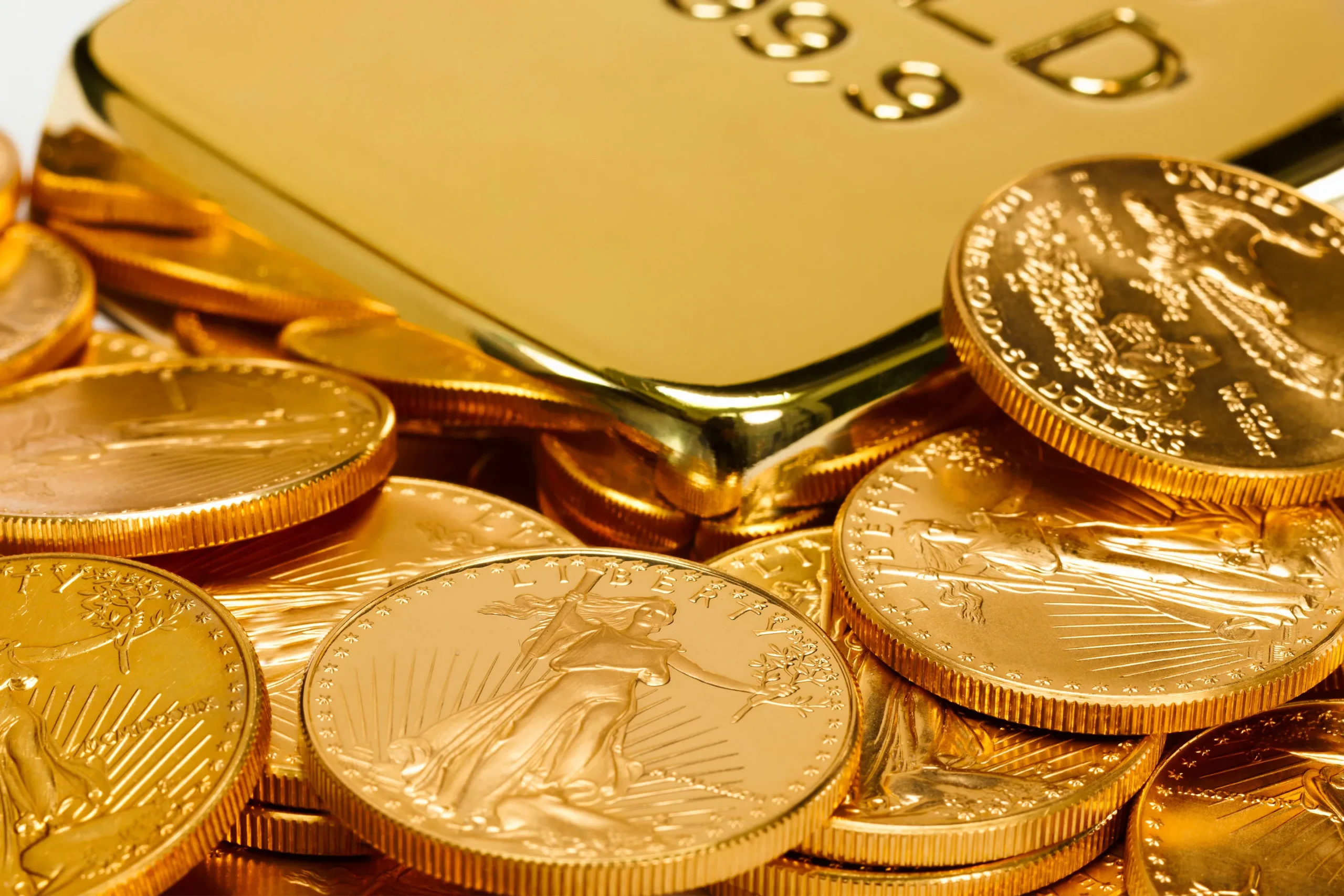
Investors who included gold in their portfolios experienced substantial gains toward the end of 2025, as its price climbed to unprecedented peaks. The metal achieved a historic milestone in early 2026, reaching almost $5,600 per ounce, further underscoring its enduring role as a dependable repository of value.
Grasping the various elements that shape the pricing of this valuable commodity is crucial for anyone contemplating an investment in gold or already holding positions in it. The following sections delve into these key drivers and offer important insights to consider prior to committing funds.
What Influences Gold Prices?
The pricing of gold responds to a wide array of economic influences. Determining the precise drivers behind gold’s price movements can often be perplexing due to their sometimes contradictory nature. Unlike many other commodities primarily governed by straightforward supply and demand dynamics, gold’s value is frequently swayed by the emotional responses to economic slumps, central bank policies, and fluctuations in currency strength.
Value of the U.S. Dollar
As a commodity priced exclusively in U.S. dollars, gold exhibits a typical inverse correlation with the dollar’s strength. When the dollar weakens, its reduced purchasing power means investors require more dollars to acquire the same quantity of gold, thereby elevating the metal’s price.
This dynamic becomes particularly evident during inflationary episodes, where gold tends to maintain its value or appreciate, reinforcing its status as a protective asset. A clear illustration occurred in 2024, when gold repeatedly shattered price records amid a depreciating U.S. dollar and eroded buying power.
Moreover, a decline in the dollar’s exchange rates against foreign currencies enables international buyers to purchase greater amounts of gold with their local money, boosting overall demand and pushing prices higher. For instance, in January 2026, with the euro trading at approximately $1.20, gold attained its peak value, coinciding with a softer dollar.
Demand for Gold
Shifts in demand represent a pivotal force impacting gold prices. The metal enjoys widespread appeal across consumers, investors, and institutions, with specific sectors exerting notable influence on purchase volumes.
1. Jewelry-Driven Demand
Jewelry remains one of the primary avenues through which individuals acquire gold. Rising interest in gold jewelry can propel prices upward. That said, this demand source is generally viewed as less potent because consumers often retain their pieces for extended durations, limiting immediate recirculation.
2. Demand from Gold Exchange-Traded Funds (ETFs)
Exchange-traded funds focused on gold, which hold physical bullion or shares in mining companies, provide investors with accessible exposure to the metal’s performance. These funds deliver the advantages of diversification, ease of trading, and gold’s inherent stability without the need for direct physical possession.
Increased inflows into gold ETFs mirror broader demand trends, lifting the underlying asset’s value as investment volumes grow. Higher participation in these funds translates to elevated buying pressure, which in turn supports rising share prices and gold valuations.
3. Central Bank Buying
Central banks worldwide have ramped up their acquisitions of physical gold, shifting away from traditional holdings like U.S. Treasurys. According to surveys by the World Gold Council, these institutions increasingly prize gold for its crisis resilience, portfolio diversification benefits, and long-term value preservation qualities.
The freezing of Russian assets by the U.S. heightened awareness among other nations of the risks associated with reliance on foreign reserves, prompting significant gold purchases following Russia’s incursion into Ukraine. Countries in the expanded BRICS group, such as China, Russia, and India, have accelerated their gold accumulation efforts.
This trend signals a broader reallocation of gold reserves from Western to Eastern institutions, fostering a coalition of nations aiming to conduct transactions independently of the U.S. dollar system.
4. Demand for Industrial Applications
Beyond investment and adornment, gold plays critical roles in various high-tech fields, including electronics manufacturing, medical devices, semiconductor production, and aerospace technologies. Expansion in these sectors heightens gold consumption, driving up prices as greater quantities are required to meet production needs.
Gold Production
Gold’s scarcity as a natural resource means that extracting it through exploration and mining grows progressively challenging and costly. When consumption surpasses available output, prices naturally escalate to balance the market.
Debate persists over whether global gold production has peaked, but output levels have stagnated over the last ten years. Projections suggest that by mid-century, new mining operations might become economically unviable.
Although gold can be recycled indefinitely by melting down existing stocks, a substantial portion exists as long-held jewelry, keeping it sidelined from active supply chains. As sourcing fresh gold becomes more arduous, its market value is poised to climb further.
Interest Rates
Gold prices and prevailing interest rates typically move in opposition. Rising gold values often align with falling rates, and conversely. Yet, recent market behavior indicates this link is not always straightforward.
The Federal Reserve’s aggressive rate hikes across ten meetings starting in March 2022, aimed at curbing rampant inflation, did not prevent gold from achieving record highs by December 2023, even as rates reached levels unseen since 2007.
Elevated interest rates generally reflect a robust economy, encouraging optimism and a shift toward riskier investments like equities. This redirection reduces demand for safe assets like gold, exerting downward pressure on its price.
On the flip side, indicators of economic weakness—such as declining consumer sentiment or disappointing employment data—can prompt a flight to safety, bolstering gold regardless of rate environments.
Geopolitical Factors
Gold’s reputation as a refuge draws capital during global uncertainties, as investors seek to shield their wealth from conflict-related disruptions. Escalating tensions often correlate with gold price gains, as witnessed in early 2022 when the Russia-Ukraine war contributed to a 6% rally.
Nevertheless, the impact of international events on gold may be overstated. Tied closely to U.S. economic conditions, gold responds more acutely to domestic policies than distant crises.
Market psychology often follows the pattern of anticipating trouble by accumulating gold preemptively, then divesting post-event to lock in gains—a classic “buy the rumor, sell the news” strategy.
Certain geopolitical developments, particularly those bolstering U.S. interests, may even support gold’s stability. Historical precedent includes the 1898 Banana Wars, during which the Dow surged 22.49% while gold’s fixed price of $20.67 per troy ounce held steady until 1933.
Who Determines the Price of Gold?
Gold pricing emerges from a complex interplay of market forces, with no single authority dictating values. The London Bullion Market Association (LBMA), through the ICE Benchmark Administration (IBA), publishes official prices twice daily.
Comprising banks, oversight bodies, and expert panels, the IBA calculates spot and fixed prices by integrating real-time supply-demand data with insights from gold futures markets.
Key platforms include the U.S.-based Commodity Exchange (COMEX) and the U.K.’s LBMA, where futures contracts lock in future delivery prices. These mechanisms, combined with physical market intelligence, yield the prevailing spot price for unrefined gold, culminating in the widely referenced LBMA Gold Price, or London Gold Fix.
How Volatile Is Gold?
Gold’s price fluctuations differ from those of more erratic assets, owing to its role as a stabilizing force amid economic distress. This positions it ideally for long-term wealth preservation, such as within gold-focused IRAs, even if short-term swings occur.
In contrast, equities and bonds exhibit sharper volatility during uncertain times. Gold’s appeal lies in its relative steadiness over extended horizons.
Short-lived dips in gold prices need not alarm investors, as recoveries typically follow swiftly, enhancing cumulative returns over time.
Summary of What Drives Gold Prices
Gold’s valuation stems from multifaceted influences, encompassing U.S. dollar strength, varied demand sources, interest rate trajectories, and broader macroeconomic pressures like geopolitical strife. These relationships lack rigid formulas, adding nuance to price predictions.
Human sentiment often amplifies these effects, with uncertainty channeling funds into havens like gold. Though not immune to transient volatility, gold’s long-term profile supports its inclusion for diversification, inflation protection, and liquidity in portfolios.