Kevin Warsh’s Tough Road as New Fed Chair
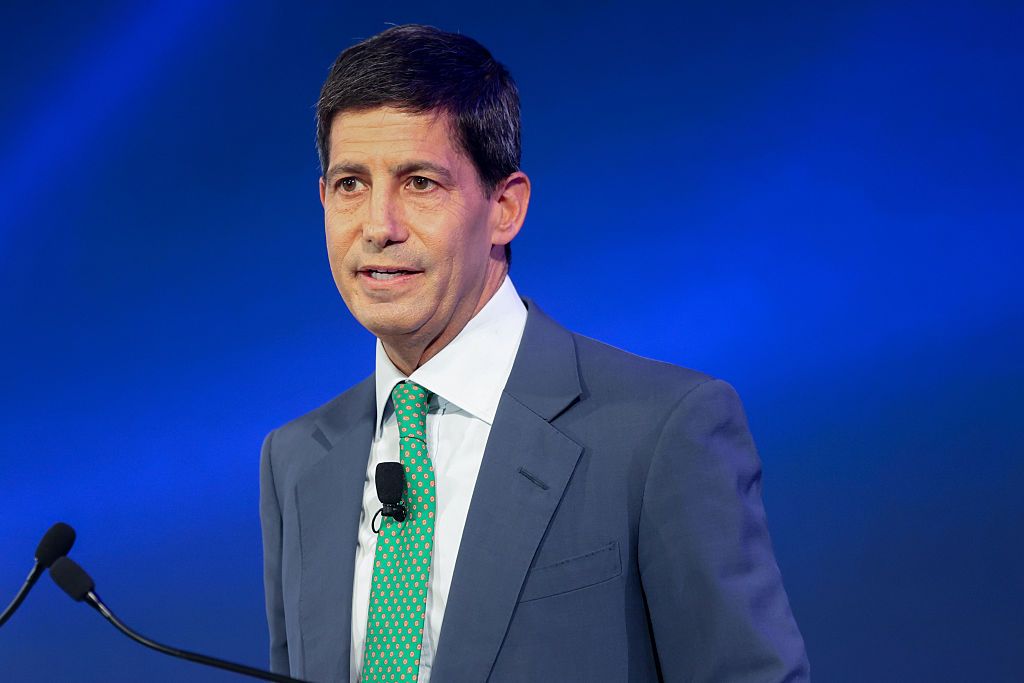
Donald Trump has selected Kevin Warsh to serve as the next chairman of the Federal Reserve, the United States’ central banking system, following several months of highly visible disputes. Financial markets responded positively to this announcement, with stock prices climbing while gold values declined, as investors felt less need to protect against a potential dollar downturn. Warsh brings substantial experience as a banker and policymaker, and he maintains strong ties to Trump’s inner circle. In previous roles, he has pushed for significant changes in how monetary policy is formulated. Considering that Trump might have chosen someone like Elon Musk, one of his own family members, or even Melania, Warsh comes across as a dependable and prudent option.
Restoring Central Bank Independence
Nevertheless, the obstacles ahead for Warsh are formidable. His initial priority must be to reinforce the Federal Reserve’s autonomy from political pressures. Trump has openly sought to exert influence over the Fed, urging it to lower interest rates despite uncertainties about whether inflation might surge once more. The current chair, Jerome Powell, is embroiled in legal proceedings related to excessive expenditures on the Fed’s new headquarters building. Investors will remain skeptical of any appointee perceived as a Trump loyalist, particularly one who might resort to expanding the money supply to support the president’s expansive spending initiatives and tax reductions. Warsh will need to decisively demonstrate that he holds the reins, not the president. Failure to do so, especially if he yields to demands for economic stimulus in the lead-up to this year’s midterm elections, could trigger a renewed and possibly more intense sell-off in the dollar and Treasury securities.
Tackling the Persistent Budget Deficit
Beyond that, Warsh must convince both the White House and Congress of the urgent need to address the nation’s ballooning budget deficit. Although the US economy demonstrates strong performance across various indicators, the fiscal shortfall continues to exceed 5% of gross domestic product, with no concrete strategies in place to rein it in. The federal government has developed a reliance on borrowing to fund its operations and programs. The most recent president to achieve a balanced budget was Bill Clinton in the early 2000s. So far, the country has evaded serious repercussions, accumulating ever-larger debts annually. This has been possible largely due to the dollar’s status as the world’s primary reserve currency, which has allowed the absorption of substantial foreign savings, including from China. However, such advantages may not endure indefinitely. Warsh’s task involves persuading lawmakers in the Senate, House of Representatives, and the executive branch to curb expenditures and, where required, implement tax increases. Perpetual deficits pose the risk of devastating inflationary pressures that could undermine economic stability.
Adapting the Dollar to a Shifting Global Landscape
In addition, the incoming Fed leader must redefine the dollar’s position in an era beyond traditional globalization. Trump has articulated a firm stance against the US subsidizing the international trade framework, emphasizing controlled trade practices and prioritizing American interests. This perspective has led him to dismantle longstanding free-trade agreements and introduce the highest tariff levels since the Great Depression era of the 1930s. Questions abound regarding whether the dollar can sustain its role as the dominant global reserve currency under these conditions. Emerging trends already suggest that central banks worldwide are shifting reserves toward gold and even bitcoin as alternatives. While the European Central Bank lacks the strength to drive major changes, China is steadily elevating the yuan’s prominence on the world stage, a development poised to gain further momentum. Warsh must clarify the Federal Reserve’s strategy amid these transformations to avoid being sidelined as global dynamics evolve rapidly.
Defusing the AI and Tech Market Bubble
Lastly, Kevin Warsh faces the critical challenge of tempering an overheated bubble in artificial intelligence and technology sectors that has spiraled beyond reasonable bounds. Artificial intelligence undoubtedly represents a transformative technology with vast potential for business innovation and growth. Yet, it is evident that investor enthusiasm has inflated asset valuations to unsustainable levels, reminiscent of the peak frenzy during the initial dot-com boom over 25 years ago. A select group of top technology companies has come to dominate global equity markets. On the positive side, the influx of capital into US tech—exceeding $100 billion last year alone for data centers and startups—promises long-term benefits like novel products and enhanced productivity gains. This investment surge outshines comparable efforts in Europe by a wide margin. That said, an abrupt market correction could disrupt these advancements and potentially cascade uncontrollably. Warsh’s delicate responsibility echoes the challenge faced by his predecessor Alan Greenspan, who coined the term ‘irrational exuberance’ to describe similar excesses. The goal is to moderate this fervor without precipitating a full-scale collapse. This will prove exceptionally difficult, yet it remains an essential endeavor. Allowing the bubble to persist for another year could render corrective measures ineffective and far more damaging.