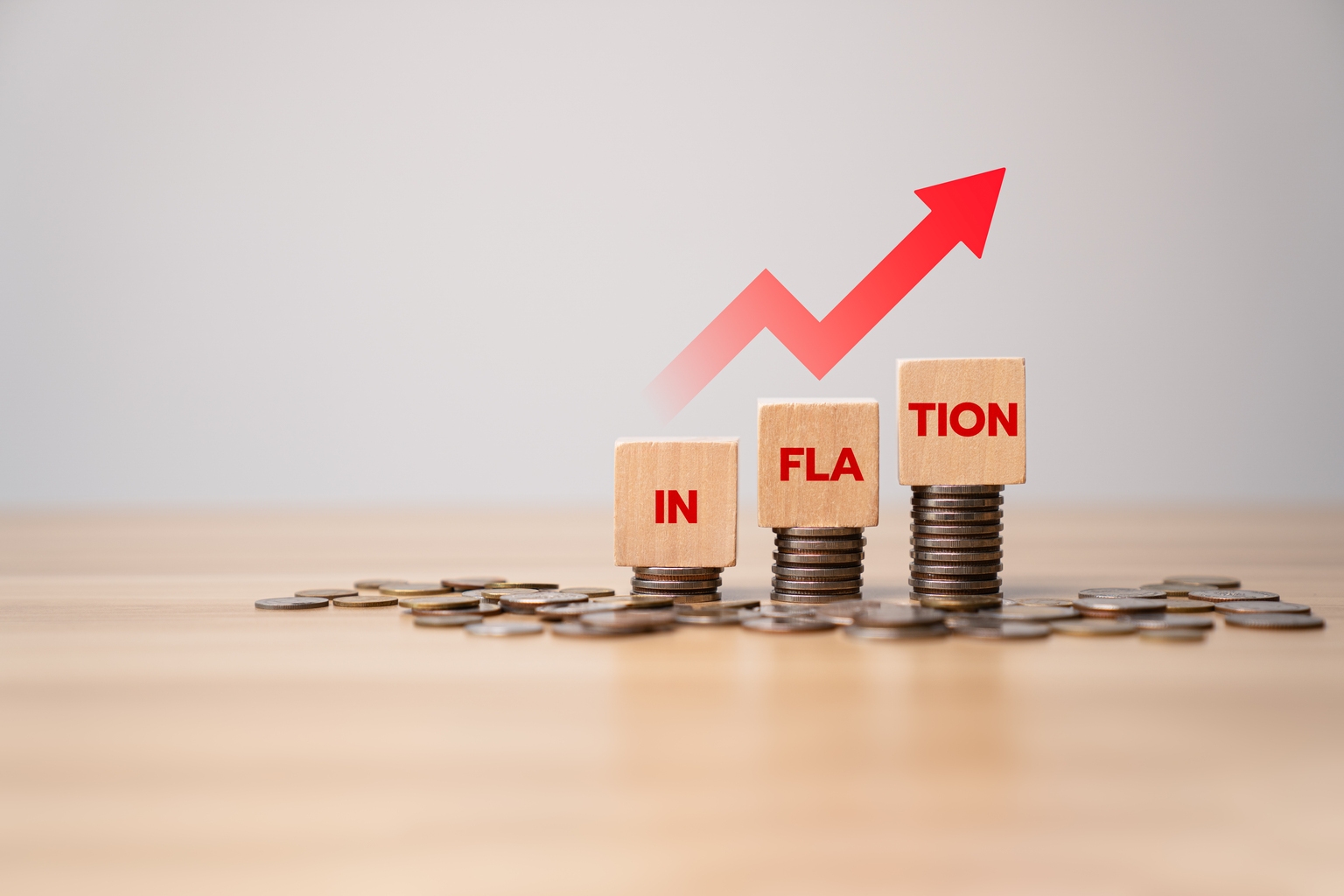
Inflation Momentum Builds: Key Trends and Market Impacts
“Inflation is the one form of taxation that can be imposed without legislation.”
In a development that initially appeared encouraging for economic observers, inflation increased by a modest 0.2% from December to January, while the annual rate dipped to 2.4%. These figures came in below what many analysts and market participants had projected, offering a glimmer of hope for both everyday consumers grappling with living costs and investors navigating the financial markets.
Understanding the Latest Inflation Data
The reported uptick of just 0.2% on a month-to-month basis marked a continuation of the cooling trend observed in recent months. Similarly, the year-over-year measure dropping to 2.4% suggested that the aggressive price pressures which dominated headlines earlier might be easing. This outcome was particularly welcome because it defied the more pessimistic forecasts circulating among economists, who had braced for higher numbers amid ongoing global uncertainties and domestic policy shifts.
For consumers, this moderation translates to a slight respite in the erosion of purchasing power, allowing households to stretch their budgets a bit further on essentials like groceries, housing, and transportation. In the broader market context, such data often fuels optimism, potentially supporting equity rallies and reducing the urgency for even tighter monetary policies from central banks.
Core Inflation Aligns with Projections
Equally important was the performance of core inflation, which excludes the more erratic food and energy components to provide a clearer picture of underlying price trends. This metric landed precisely in line with economist consensus, reinforcing the narrative that inflationary forces are gradually being tamed. After peaking at 3% in September of the previous year, the trajectory downward indicates that a combination of Federal Reserve interest rate reductions and targeted fiscal measures from the current administration may be yielding the desired results.
These policy interventions, including strategic rate adjustments aimed at balancing growth with price stability, appear to be gaining traction. By curbing excessive demand and encouraging prudent spending, authorities have managed to steer the economy away from the brink of runaway inflation without triggering a severe downturn. This delicate balancing act underscores the effectiveness of data-driven decision-making in modern economic management.
Emerging Concerns: Tariff Effects on Consumers
Despite these positive indicators, not all signals are entirely reassuring. There is mounting evidence of substantial pass-through costs from tariffs directly impacting consumer prices, validating the worries expressed by numerous economists over the past several quarters. Import duties imposed on a wide array of goods have begun filtering into retail shelves, elevating costs in sectors such as household appliances, consumer electronics, and certain apparel categories.
For instance, items like washing machines, televisions, and other imported durables have seen noticeable price hikes, as manufacturers and retailers adjust to higher input costs stemming from trade barriers. This phenomenon illustrates the real-world consequences of protectionist policies, where the burden ultimately falls on end-users rather than foreign producers, as initially anticipated by some proponents.
Market Implications and Investor Considerations
As markets digest these mixed signals, investors are left pondering the path forward. The softer-than-expected headline inflation could embolden expectations for additional rate relief from the Federal Reserve, potentially lowering borrowing costs across the spectrum and stimulating investment in interest-rate-sensitive assets like real estate and utilities.
However, the persistence of tariff-related pressures serves as a cautionary note. These upward forces on specific goods could counteract broader disinflationary trends, complicating the central bank’s mandate to achieve its 2% target sustainably. Analysts now closely watch upcoming data releases, including producer price indices and personal consumption expenditures, for further clues on whether inflation is truly on a sustainable downward path or merely pausing before resuming its climb.
Broader Economic Context and Policy Outlook
Zooming out, the January figures must be viewed within the larger tapestry of economic recovery post-pandemic. Supply chain disruptions, labor market tightness, and geopolitical tensions have all contributed to the inflationary episode, making its resolution a testament to coordinated global efforts. Yet, with job growth figures recently revised downward significantly, the Federal Reserve faces a nuanced challenge: maintaining vigilance against inflation without stifling employment gains.
Quick insights from the data reveal that while month-over-month inflation at 0.2% and year-over-year at 2.4% beat lowered expectations, signaling easing pressures, risks from tariffs linger particularly in appliance and electronics sectors. Experts suggest that the bulk of pass-through effects may be peaking, but vigilance remains essential.
Future Projections and Strategic Responses
Looking ahead, the Fed’s policy posture is likely to emphasize patience, holding rates steady for an prolonged period to assess the durability of disinflation. This stance aligns with a prudent approach, given inflation’s stubbornness above target levels and softening labor market dynamics. For investors, this environment favors diversified portfolios that hedge against renewed price volatility, perhaps incorporating inflation-protected securities or commodities as buffers.
In essence, while the latest data paints an optimistic picture of moderating inflation, underlying tariff dynamics remind us that economic pressures can evolve unpredictably. Staying informed and adaptable will be key for navigating the months ahead, as policymakers and markets alike grapple with these evolving realities.
- January’s inflation rate of 0.2% month-over-month and 2.4% year-over-year exceeded hopes for moderation.
- Core measures met expectations, supporting efficacy of recent rate cuts.
- Tariff pass-throughs pose ongoing risks to consumer costs in key sectors.
- Fed likely to pause rate adjustments amid mixed labor and price signals.
This comprehensive view highlights the nuanced state of inflation, where positive headlines coexist with persistent challenges, demanding careful monitoring by all economic stakeholders.