
Food & Drink Giants Reinvent Brands Amid Challenges
For many years, the worldwide branded food and beverage industry has been a top pick for cautious investors seeking stability. It provided a straightforward and dependable approach to building wealth, depending on well-known brands, consistent sales volume increases, and the ability to raise prices faster than rising costs. These companies have long been preferred by iconic investors. For instance, Warren Buffett has maintained a stake in Coca-Cola for nearly four decades, while Terry Smith has consistently included various food and drink companies as key elements in his focused investment holdings. These large corporations are frequently likened to bonds due to their reliability, similar to fixed-income securities. They are prized for their consistent dividend payouts rather than rapid expansion. However, over the past decade, this perceived safety has often resembled stagnation, with their stock prices showing little to no upward movement.
Food and Beverage Companies Confront a Shifting Caloric Landscape
These major players were historically shielded by a strong competitive advantage built on extensive advertising capabilities and dominance over retail shelf space. Yet, a decade of stagnant stock performance has revealed the weaknesses in this approach. As broader markets advanced strongly, these food leaders depended on price increases to conceal declining sales volumes—a tactic that has now reached its limits. The time when food stocks functioned like bond substitutes is drawing to a close, as biological shifts, digital disruptions, and environmental factors erode the sector’s longstanding protections. The move away from mass-produced high-calorie products toward more valuable, nutrient-focused options is now separating potential leaders from those falling behind. Mere size no longer ensures triumph; flexibility is increasingly vital as customer allegiance splinters and raw material expenses become unpredictable.
The initial hurdle is biological in nature and poses a direct threat to the entire sector: the advent of a calorie-reduced economy. The popularity of GLP-1 drugs like Wegovy and Ozempic signals a lasting transformation in eating habits. By 2025, a substantial share of U.S. adults had begun using these treatments, with projections indicating even greater adoption by decade’s end. These medications function by delaying stomach emptying and altering brain reward mechanisms related to food, essentially replacing personal discipline with pharmaceutical intervention.
Consequently, overall food intake drops. Individuals on these drugs generally reduce their calorie consumption by 15% to 40%. This reduction hits hardest in profitable discretionary areas that big branded companies depend on, including snacks, sugary baked goods, and sweetened beverages. Initial data indicates that families using these medications are spending far less at supermarkets and quick-service eateries. For an industry already grappling with sluggish volume growth, the sudden elimination of billions of calories from daily consumption presents a major issue. Companies are countering this by developing foods rich in nutrients. With people eating smaller amounts, firms must maximize profits per calorie sold. Nestlé, for example, has introduced product lines tailored for GLP-1 users, offering high-protein meals supplemented with vital nutrients.
This represents a protective strategy to safeguard the value of each purchase even as quantities decrease. Whether this pivot succeeds hinges on these companies’ ability to market health benefits over sheer bulk. The food sector is merging with biotechnology, where achievement is measured by accurate nutrient provision rather than sheer distribution scale.
Digital Disruption Challenges Traditional Brand Barriers
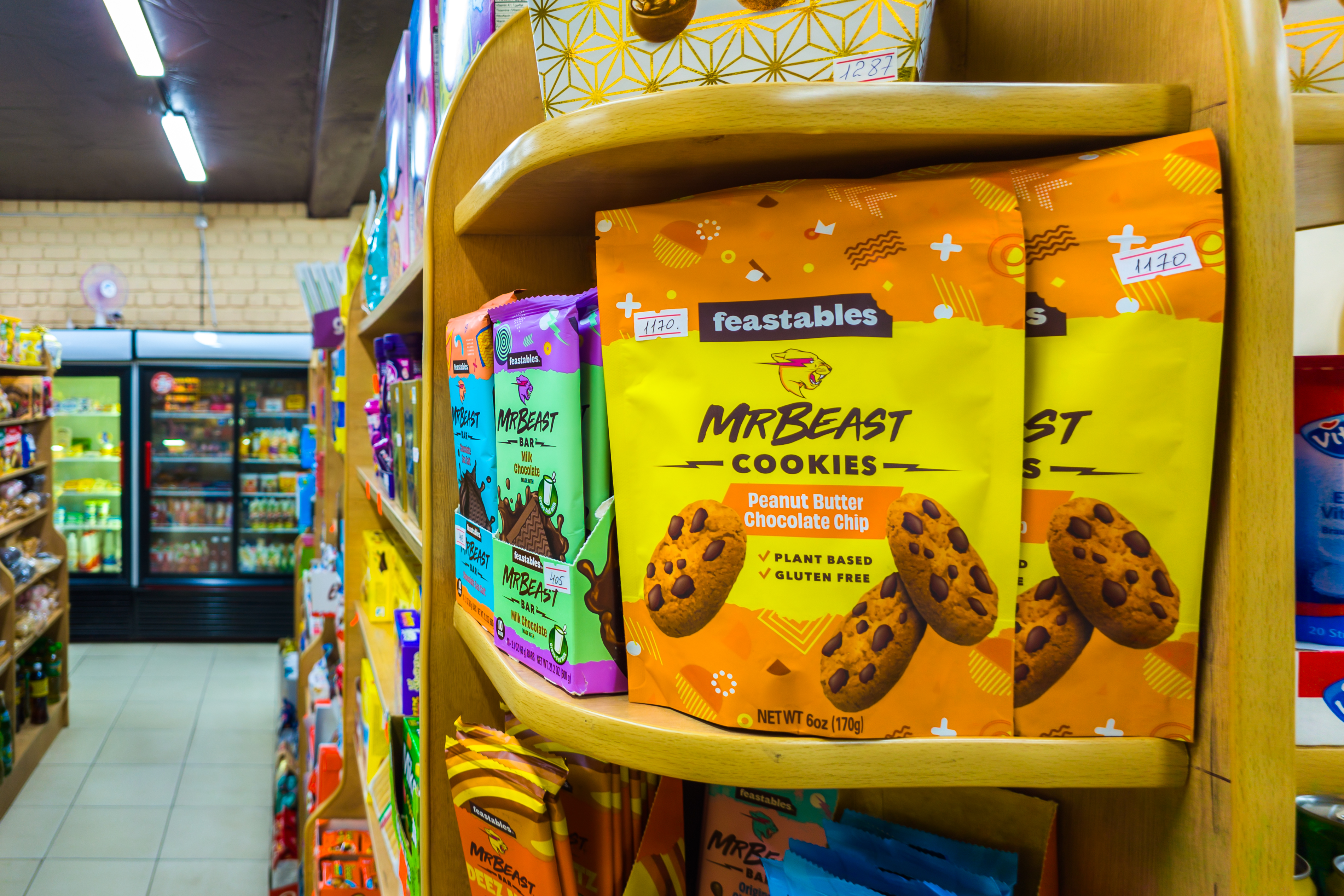
The next prominent danger is the breakdown of conventional brand protections in an era dominated by digital platforms. For most of the 20th century, steep entry costs safeguarded established products and labels. Launching a worldwide food brand demanded multimillion-pound TV campaigns and vast physical distribution systems to foster consumer recognition. This created a robust obstacle that deterred smaller competitors. In today’s landscape, those barriers have crumbled. Online channels enable influencer-driven brands to scale rapidly, something previously unattainable. Gatorade required almost 30 years to hit one billion dollars in sales, whereas Prime Hydration, supported by influencers, accomplished it in merely two years.
This evolution creates a dilemma for established food and beverage behemoths. They have leveraged digital innovations to boost their profit margins. Firms like Unilever have shifted from fixed TV deals to flexible digital advertising purchases. This precision targeting cuts down on inefficient broad-reach campaigns. Unilever now directs 50% of its media budget to social media and influencer collaborations, contributing to margin gains that have reached record levels for some companies.
Nevertheless, the very tools granting these efficiencies have opened the door to a surge of “rapid-scale challengers.” These newcomers capitalize on a formula of variety, high volume, and viral spread. Take Mr Beast’s Feastables chocolate bars: they gain traction at minimal expense by tapping into his massive existing followings across YouTube and other platforms. For traditional giants, the competition extends beyond budget size to sustaining cultural relevance amid splintered media environments where unified TV viewing has vanished.
However, retail trends in 2024 and 2025 reveal a counterpoint. While building buzz has become cheaper, securing ongoing customer commitment stays costly. The swift ascent of influencer-led brands is frequently chased by sharp declines in popularity. Numerous viral items falter due to insufficient repeat business. In the UK, Prime Hydration’s sales plunged by up to 70% in 2024 after the social media hype faded. Shoppers may try a novelty once, but they revert to trusted legacy brands formed through repeated exposure and routine. This implies that defensibility has evolved from advertising dominance to fostering habitual loyalty. Future victors will harness digital channels for initial visibility but depend on robust logistics and brand credibility for enduring customer retention.
Supply Chain Vulnerabilities Amplified by Climate Volatility
The third major issue concerns the growing instability of international supply networks. Recent events illustrate how climate-related disruptions ripple through production chains. Key commodities like cocoa and coffee—staples for countless global food and drink operations—have endured unprecedented price spikes and subsequent plunges. Cocoa, for instance, saw prices multiply over fourfold in one year due to crop failures in West Africa from diseases and severe weather patterns.
Such turbulence has laid bare the shortcomings of standard hedging practices. Most food producers secure input costs only 12 months in advance, softening brief disruptions but offering no shield against extended deficits. For volume-driven makers lacking price adjustment leverage, the impact was devastating, with profit margins slashed by over 10 percentage points in certain instances.
This crisis underscored a split between companies controlling their own processing and those relying on external suppliers. Those with end-to-end integration have shown greater endurance. Businesses that procure straight from growers and commit to agricultural sustainability are building a natural buffer against shortages. They are prioritizing long-term security for their core ingredients. Additionally, 2025 brought “skimpflation,” where producers swap in inferior alternatives to hold prices steady—a risky tactic that could undermine the consumer confidence anchoring brand strength. Mondelez International, Cadbury’s parent, lately faced scrutiny over claims that its Dairy Milk bars contain too few cocoa solids to qualify as true chocolate.
Key Industry Leaders and Their Strategies
Unilever exemplifies a company navigating profound changes. Through its Growth Action Plan 2030, it is eliminating administrative bloat to concentrate on 30 core “power brands” that account for 75% of revenue. This addresses fading traditional marketing edges. By shedding a broad array of niche products, Unilever trusts its flagship names like Hellmann’s to capture focus in a divided online space. Marketing spend has risen, with half now funneled into digital alliances. It tackles wellness trends via upscale offerings like Liquid I.V., which supplies elevated electrolytes for reduced intake diets. Repositioning from basic goods to nutritional solutions aims to secure profitability long-term.
Associated British Foods stands out as a diversified group linking a huge discount chain, Primark, with broad food operations covering sugar and items like Twinings tea. Regulations curbing ads for high-fat, high-sugar, high-salt goods have prompted portfolio overhauls. It is abandoning discretionary calories for nutrient-packed alternatives to attract health-focused buyers. A decentralized structure enables nimble handling of local commodity swings, outperforming rigid centralized peers during inflationary pressures via on-the-spot pricing and procurement tweaks. Investors value its cash flow from varied domains.
The Coca-Cola Company has embraced a digital-centric promotion model, with 65% of media now online. AI powers content creation at low cost versus agency fees, enabling data-informed tweaks to pricing and formats. Less vulnerable to weight-loss drugs than snack-reliant rivals, it boasts decades of sweetener R&D, with nearly 70% of drinks under 100 calories per serving. Mini-cans and health teas align with contemporary tastes, preserving margins amid calorie consciousness. Evolving into a comprehensive beverage provider highlights its excellence.
PepsiCo juggles drinks and Frito-Lay snacks. Zero-sugar beverages excel, but snacks face appetite suppression risks. A major shift toward protein includes Muscle Milk innovations countering drug-induced muscle wasting. Bundling proteins and electrolytes targets supportive nutrition niches. AI automation trims supply chain waste against commodity flux, while global drink reformulations cut calories. This evolution from filler calories to purposeful sustenance is key to sustaining growth amid selective consumers.
Mondelez, behind Cadbury, grapples with snacking downturns from drug users curbing sweets. It counters via health brand buys, steering buyers to diet-compatible choices. Digital outreach via inspirational content precedes store visits, offsetting spending drops. The aim: swap bulk indulgence for premium functional snacks. Triumph relies on upholding trust amid nutritional tweaks.
Monster Beverage wields strong pricing in zero-sugar energy drinks, engaging gamers and sports enthusiasts for vast organic reach sans heavy ad outlays—a bulwark against upstarts.
Nestlé leads in nutrient management over calorie sales. Vital Pursuit targets GLP-1 companions, with whey-based satiating drinks. Cocoa volatility squeezes margins temporarily, offset by farmer-direct sourcing.
Danone tops volume growth via gut-health hits like Actimel. Its “renew” plan sees drug trends as chances, pitching protein dairy and plant fibers as diet essentials. Biotech buys address drug side effects, yielding superior revenue per calorie.
Hindustan Unilever blankets nine in ten Indian homes. Its Shikhar B2B platform skips middlemen for better margins and insights, plus quick commerce investments. Factory automation fortifies dominance in a booming market.
Top Performers for Forward-Thinking Investors
For UK-based investors, Unilever shines post-refocus on power brands and digital savvy. Premium, science-backed items like Liquid I.V. defend margins amid volume squeezes, rendering it slimmer and readier for viral foes.
Globally, Danone and Nestlé pioneer medicalized eating, converting drug rises into premium breakthroughs. Coca-Cola blends iconic branding with modern logistics. Risk-tolerant investors find Hindustan Unilever a prime entry to India’s affluent growth, powered by top-tier operations.
Firms remaking themselves sell not just meals, but wellness and ease. In an age of calorie scarcity and data abundance, they are set to define tomorrow’s landscape.