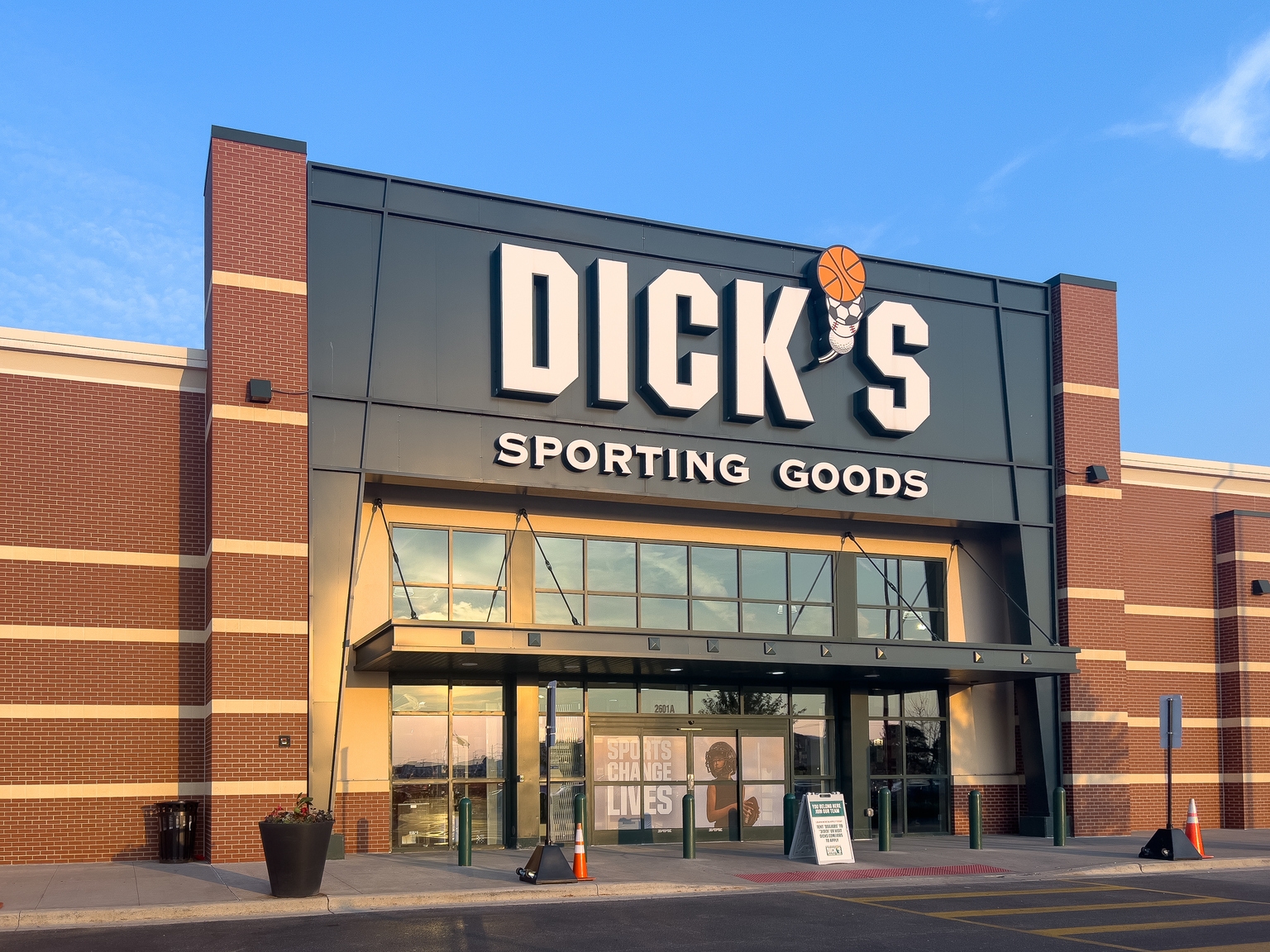
DICK’S Sporting Goods Scores Big with Foot Locker Acquisition
Although I frequently analyze retail real estate investment trusts and maintain investments in several, this analysis shifts focus to a prominent retail brand in the sporting goods industry: DICK’S Sporting Goods (NYSE: DKS). The company has recently made headlines with its strategic acquisition of Foot Locker, a move that significantly bolsters its market position and opens up substantial growth opportunities in the competitive retail landscape.
Investment Thesis and Buy Recommendation
In my inaugural coverage of DICK’S Sporting Goods, I am assigning a strong buy rating, which aligns seamlessly with the prevailing Wall Street consensus of buy recommendations from leading analysts. This positive outlook is driven by multiple compelling factors that position DKS for sustained success in the years ahead.
The acquisition of Foot Locker represents a game-changing development for DICK’S, enhancing its competitive edge within the sporting goods retail sector. This strategic buyout not only expands DICK’S footprint but also diversifies its product offerings and customer base, creating synergies that are expected to drive revenue growth and market share gains. Furthermore, broader macroeconomic tailwinds, including rising consumer confidence levels and unwavering brand loyalty among sports enthusiasts, provide a fertile environment for expansion.
Robust Financial Health and Profitability
A closer examination of DICK’S financial metrics reveals impressive profitability margins, a rock-solid balance sheet, and promising prospects for dividend growth, all of which reinforce the bullish investment case. The company has consistently demonstrated operational efficiency, with strong gross and operating margins that outpace many peers in the retail space. Its balance sheet is fortified with ample liquidity, low debt levels relative to equity, and substantial cash reserves, enabling it to pursue growth initiatives like the Foot Locker acquisition without undue financial strain.
Looking ahead, the dividend outlook appears particularly attractive. DICK’S has a track record of steadily increasing payouts to shareholders, supported by healthy free cash flow generation. This commitment to returning capital to investors, combined with the anticipated revenue uplift from the acquisition, suggests potential for further dividend hikes, making it an appealing choice for income-oriented investors.
Valuation and Growth Potential
From a valuation perspective, DICK’S Sporting Goods currently trades at levels that suggest it is undervalued relative to its intrinsic worth and future earnings potential. Key multiples, such as forward price-to-earnings and enterprise value to EBITDA, indicate a margin of safety while projecting meaningful price appreciation over the next 12 to 24 months. My detailed forecast models point to significant upside, with target prices well above current market levels, providing a compelling risk-reward profile for new investors.
Even though technical chart patterns display some neutral signals in the short term—such as consolidation phases and moderate trading volumes—the fundamental drivers far outweigh these temporary concerns. Long-term trend lines remain intact, and momentum indicators hint at building bullish pressure as the market digests the Foot Locker deal.
Strategic Benefits of the Foot Locker Acquisition
The buyout of Foot Locker is more than just a financial transaction; it is a masterstroke in retail consolidation. Foot Locker brings a vast network of urban stores, a youthful demographic skew, and iconic sneaker brands that complement DICK’S broader assortment of sporting equipment and apparel. This merger of strengths allows DICK’S to capture a larger slice of the $100+ billion U.S. sporting goods market, where consumer spending continues to trend upward amid health and fitness booms post-pandemic.
Integration plans are progressing smoothly, with expected cost savings from supply chain optimizations, shared distribution centers, and streamlined marketing efforts. Analysts project that these synergies could add hundreds of millions in annual EBITDA within the first few years, accelerating DICK’S path to double-digit growth rates.
Navigating Sector Risks
No investment analysis would be complete without addressing potential downside risks, particularly the threat of economic recessions impacting discretionary retail sectors like sporting goods. While a slowdown in consumer spending could pressure sales volumes, DICK’S is well-insulated through its premium positioning, loyal customer base, and diversified revenue streams—including e-commerce, which now accounts for a significant portion of total sales.
Historical performance during past downturns underscores this resilience; DICK’S has outperformed the broader retail index by wide margins, thanks to its focus on high-margin, essential sports products that maintain demand even in tough times. Management’s prudent inventory management and flexible store formats further mitigate recessionary risks.
Competitive Moat and Market Positioning
DICK’S enjoys a formidable competitive moat built on decades of brand equity, exclusive partnerships with major sports leagues and brands, and an omnichannel retail strategy that seamlessly blends physical stores with digital platforms. The Foot Locker acquisition amplifies this moat by adding specialized footwear expertise and international exposure potential, positioning DKS as a dominant player against rivals like Academy Sports or smaller regional chains.
Conclusion: A Compelling Buy Opportunity
In summary, DICK’S Sporting Goods stands out as a top-tier investment opportunity in the retail sector, propelled by the transformative Foot Locker acquisition, stellar financials, attractive valuation, and proactive risk management. Investors seeking exposure to consumer-driven growth with defensive qualities should consider initiating or adding to positions at current levels. The combination of near-term catalysts and long-term secular trends in sports retail makes this a home run worth swinging for.