CoreWeave Stock Up 30% in 2026: AI Infrastructure Boom Ahead
CoreWeave’s Impressive Rise in the AI Sector
CoreWeave, trading under the ticker CRWV, has experienced a remarkable beginning to 2026, with its share price surging more than 30% year-to-date. This strong performance underscores the company’s strategic positioning within the rapidly expanding artificial intelligence landscape. If the company maintains its historical growth trajectory, analysts and investors alike believe this could merely be the prelude to an even more substantial upward movement in its stock value. Operating at the heart of AI infrastructure, CoreWeave enables major AI hyperscalers to procure essential computing resources without the immense burden of developing their own extensive facilities from the ground up.
The company’s expansion has been nothing short of extraordinary, posting growth figures that have exceeded expectations across multiple quarters. Nevertheless, despite certain investor apprehensions circulating in the market, there remains substantial optimism that CoreWeave is only in the early stages of its potential ascent.
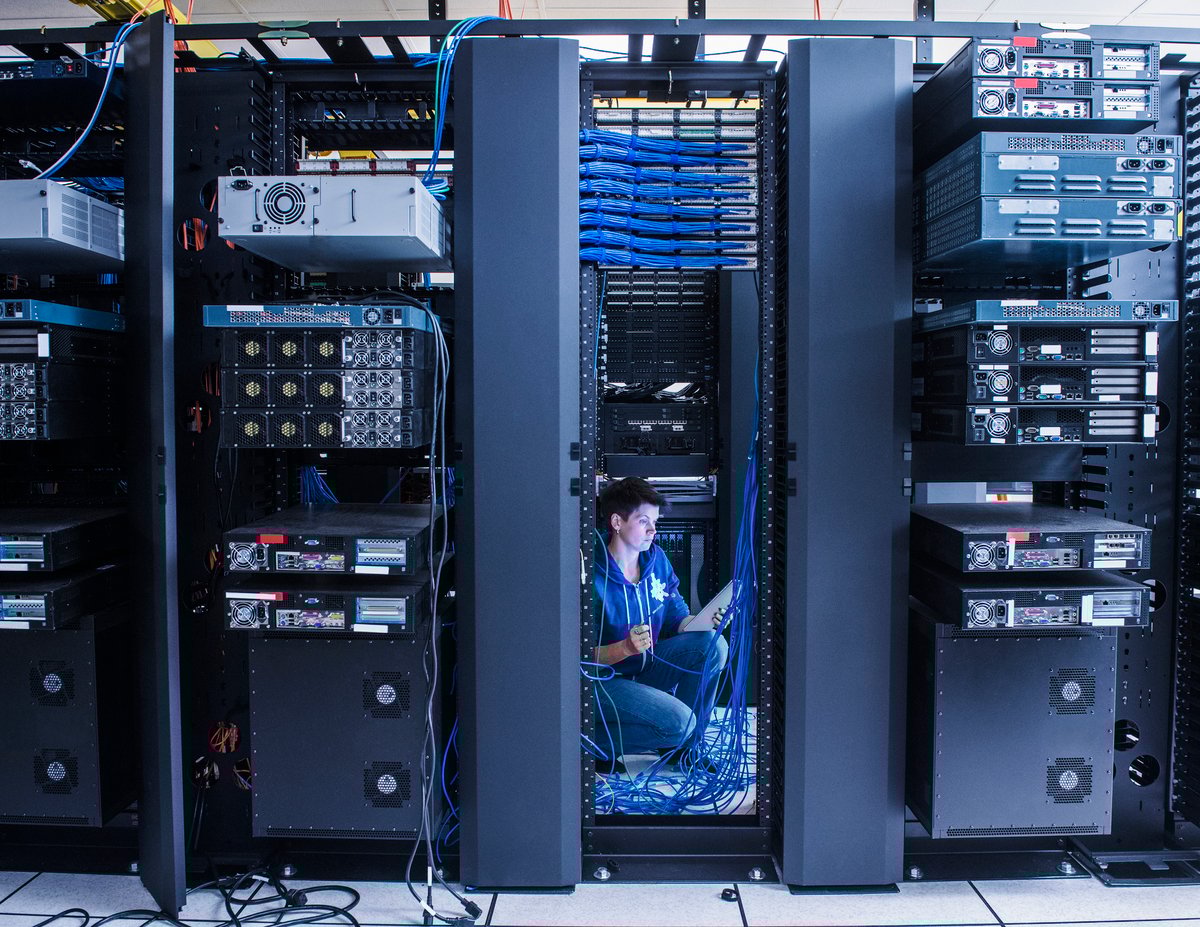
CoreWeave manages a network of advanced data centers equipped predominantly with state-of-the-art chips supplied by Nvidia. These facilities allow clients to lease high-performance computing capabilities tailored specifically for training sophisticated AI models and executing complex inference tasks. This operational model closely mirrors the established and highly effective framework of traditional cloud computing services, which have proven their worth over years of widespread adoption. Many enterprises lack the financial capital or the in-house technical infrastructure required to handle intensive computational demands independently, making partnerships with specialized providers like CoreWeave a prudent and efficient choice for scaling operations.
High-Profile Clients Fuel CoreWeave’s Platform Momentum
CoreWeave’s customer roster boasts some of the most prominent names in the technology industry, including industry giants such as Meta Platforms, Microsoft, and OpenAI. These powerhouse organizations are not only utilizing CoreWeave’s services but are also simultaneously investing heavily in their proprietary data center infrastructures to meet surging AI computational requirements. One might wonder, then, what drives these hyperscalers to supplement their internal capabilities with external rentals from CoreWeave.
Several strategic factors explain this hybrid approach. Primarily, even the largest tech firms face constraints in rapidly deploying sufficient computing capacity to match immediate demands. By leveraging CoreWeave’s ready-to-use infrastructure, they bridge these gaps swiftly. Additionally, outsourcing portions of their workloads provides unparalleled flexibility, allowing seamless scaling of resources up or down in response to fluctuating needs, while their core internal systems manage the bulk of steady-state operations. Furthermore, the hardware within data centers—particularly high-end GPUs—represents rapidly depreciating assets prone to swift obsolescence and hardware failures. Distributing this inherent risk across multiple suppliers mitigates potential disruptions and financial exposures for these companies.
This multifaceted value proposition has propelled CoreWeave to remarkable heights. For instance, in the third quarter of 2025, the company’s revenue skyrocketed by 134% compared to the same period in the prior year, reflecting explosive demand for its offerings. Looking ahead, industry projections from Wall Street analysts anticipate an impressive 83% revenue increase throughout 2026, signaling sustained momentum. The insatiable appetite for AI-driven computing power continues to intensify, constrained only by the global supply of specialized hardware, which positions CoreWeave favorably in this high-stakes environment.
Path to Profitability: The Critical Milestone for Investors
However, amid this glowing narrative of growth, a notable challenge persists: CoreWeave has yet to achieve consistent profitability, reporting losses in each recent quarter. That said, encouraging signs are emerging, as these quarterly deficits have shown progressive improvement over time, hinting at an evolving cost structure and operational efficiencies taking hold.
The ability to transition into positive earnings territory during 2026 will serve as a pivotal litmus test for the company’s long-term viability. Should CoreWeave successfully deliver profits across the year, it could catalyze a significant rally in its stock price, rewarding patient investors with substantial gains. Conversely, persistent unprofitability might temper enthusiasm, prompting some shareholders to reconsider their positions and potentially exerting downward pressure on the shares. Ultimately, the outcome remains to be seen, but given the colossal demand for AI infrastructure and the relative scarcity of cutting-edge computing hardware, CoreWeave appears well-poised to emerge as a compelling investment opportunity in the coming periods.
Beyond the immediate financial metrics, CoreWeave’s business model benefits from network effects and economies of scale inherent to data center operations. As utilization rates climb, marginal costs per computational unit decline, further bolstering margins. Moreover, strategic partnerships with chip manufacturers like Nvidia ensure access to the latest generations of GPUs, maintaining a technological edge over competitors. Investors should monitor not only revenue trajectories but also key performance indicators such as backlog contracts, customer retention rates, and capital expenditure efficiency, all of which will illuminate the company’s trajectory toward sustainable profitability.
In summary, while risks associated with execution and market dynamics exist, the foundational strengths of CoreWeave’s platform, coupled with the secular tailwinds of AI proliferation, suggest that its journey is far from complete. For those eyeing opportunities in AI infrastructure, CoreWeave represents a dynamic player worth watching closely as 2026 unfolds.