Cisco CEO: 3 Key Traits of Top Tech Success Stories

The technology landscape in Silicon Valley evolves at an astonishingly rapid pace. Cutting-edge artificial intelligence tools and expansive large language models emerge on what feels like a weekly basis, placing immense pressure on professionals to continually update their skills simply to maintain relevance in their fields. This constant demand for adaptation can feel overwhelming for many in the workforce.
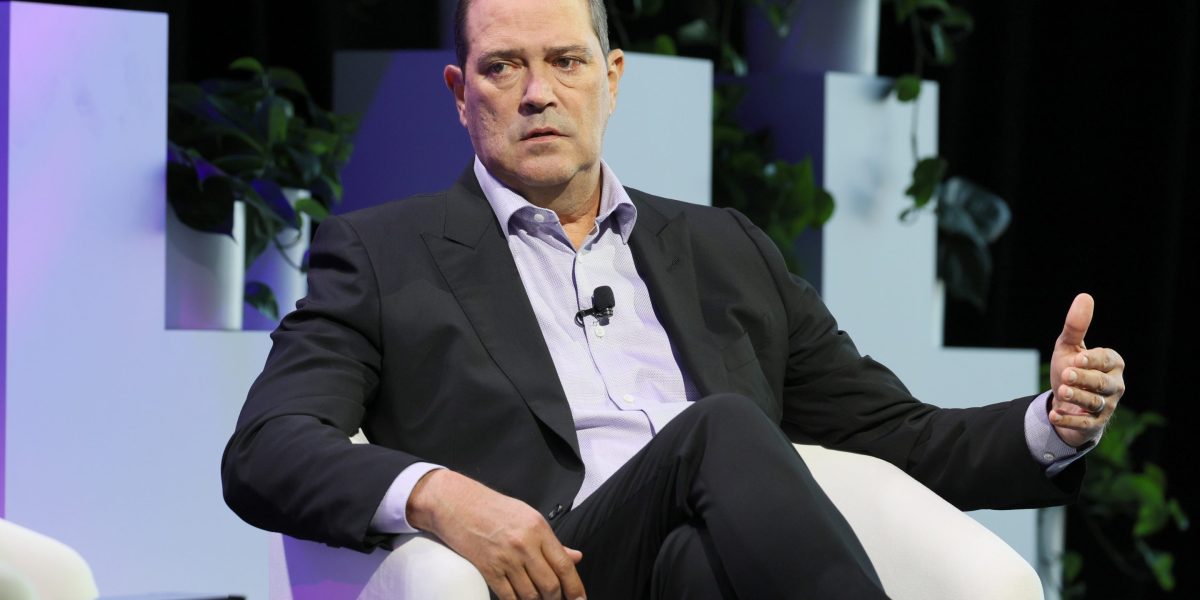
However, Cisco’s Chief Executive Officer, Chuck Robbins, offers a refreshing perspective on achieving exceptional success in this high-stakes environment. He asserts that the individuals who consistently ascend to the highest levels of achievement are not those frantically chasing every latest technological breakthrough. Rather, they possess a distinctive set of three core characteristics that emphasize foundational principles over fleeting trends.
In a recent appearance on the TBPN podcast, Robbins elaborated on this idea, stating, “The people who are wildly successful have this incredible combination: they understand the technology, have high EQ (emotional intelligence), and really care about the mission of the team.” This blend of technical proficiency, emotional acuity, and team-oriented dedication forms the bedrock of standout performance.
As the artificial intelligence revolution accelerates competition across the tech sector, Robbins underscores that true differentiation comes from collaborative efforts rather than solitary feats of brilliance. Individual accomplishments matter, of course, but sustainable success hinges on collective progress.
Robbins candidly acknowledges the human drive for personal achievement, noting, “Anybody that says they don’t care about their own success is lying to you. But you need to figure out that when the team succeeds, I’m going to succeed, so it’s easy for me to focus on the team.” This mindset shift—from self-centered ambition to interdependent victory—enables professionals to thrive amid intensifying pressures.
This philosophy of prioritizing teamwork has deep roots within Cisco’s corporate culture, predating Robbins’ tenure as CEO. John Chambers, who led the company as CEO from 1995 to 2015, has echoed similar sentiments in recent discussions. Chambers highlighted how a strong team-oriented culture can rival even the most brilliant strategies or visionary leadership in driving long-term prosperity.
He referenced Cisco’s remarkable achievements during the 1990s, a period when the company fostered the creation of approximately 10,000 employee millionaires. This extraordinary outcome demonstrated the motivational power of distributing success broadly across the organization, reinforcing the value of inclusive triumphs.
Chambers elaborated on his leadership approach during an episode of the Thirty Minute Mentors podcast, explaining, “There’s good cultures. There are tough cultures. They all work as long as you’re consistent. For me, I’m a team player in culture, and you win as a team, and you lose as a team, and we don’t expect to lose very often, so we share the success of my companies with all the employees more generously than anybody’s done.” Consistency in cultural values, paired with generous reward-sharing, creates an environment where collective excellence flourishes.
Tech Leaders Are Betting Big on Emotional Intelligence
The growing emphasis on emotional intelligence is not unique to Cisco; it represents a broader trend among technology executives. A comprehensive LinkedIn analysis conducted in 2024 revealed significant shifts in how leaders present their capabilities. Among executives at S&P 500 companies and unicorns valued over $1 billion, there was a notable 31% increase in mentions of soft skills on their professional profiles since 2018.
The most frequently highlighted soft skills included delivering effective presentations, engaging in strategic thinking, mastering communication, developing strategic vision, and adeptly resolving conflicts. These interpersonal competencies are increasingly viewed as essential differentiators in leadership roles.
Aneesh Raman, LinkedIn’s chief economic opportunity officer, has identified five pivotal pillars of emotional skills that employers prioritize: curiosity, compassion, courage, communication, and creativity. He emphasized their rising importance in Fortune, stating, “These people skills are going to become more and more core to not just how someone becomes an executive, but the work of executives: Mobilizing teams, and building a company that is human-centric.”
In today’s AI-dominated landscape, where technical tasks can often be automated, the uniquely human elements of leadership—such as inspiring teams and fostering innovative environments—take center stage. Raman’s insights suggest that emotional intelligence will define executive effectiveness moving forward.
Chuck Robbins himself exemplifies the impact of high emotional intelligence through his own career trajectory. Prior to assuming the CEO role in 2015, he progressed steadily from an account manager position through various leadership roles within Cisco. A key element of his advancement strategy was refraining from overtly seeking promotions, instead allowing his performance to naturally advocate for his readiness.
He shared this approach on the How Leaders Lead podcast: “I always believed my job everyday was an interview. What I did in my role everyday was showing them I was the right candidate for the next job.” This daily commitment to excellence, coupled with self-awareness and realistic assessment of capabilities, propelled his rise without aggressive self-promotion.
Executives Like JPMorgan’s Jamie Dimon and Amazon’s Andy Jassy Embrace Soft Skills
Chuck Robbins’ advocacy for human-centered skills resonates widely among other prominent business leaders. Jamie Dimon, CEO of JPMorgan Chase, recently articulated a parallel viewpoint, recognizing AI’s transformative potential while stressing the enduring value of interpersonal abilities.
Dimon advised aspiring professionals on Fox News: “My advice to people would be critical thinking, learn skills, learn your EQ, learn how to be good in a meeting, how to communicate, how to write. You’ll have plenty of jobs.” In his estimation, while artificial intelligence may automate routine functions, those who cultivate critical thinking, emotional quotient, and communication prowess will secure abundant career opportunities.
Similarly, Amazon CEO Andy Jassy champions curiosity as a cornerstone of innovation and problem-solving. He advocates for persistently questioning assumptions through the simple yet powerful practice of asking “why” and “why not.”
In his annual letter to shareholders, Jassy wrote, “We ask why, and why not, constantly. It helps us deconstruct problems, get to root causes, understand blockers, and unlock doors that might have previously seemed impenetrable.” This inquisitive mindset, rooted in emotional and intellectual openness, enables teams to navigate complex challenges and drive groundbreaking advancements.
Across the tech and finance sectors, visionary leaders are converging on a common theme: technical expertise provides entry, but emotional intelligence and team commitment sustain extraordinary success. As AI continues to reshape professional landscapes, these timeless human qualities will distinguish the most accomplished performers. Professionals seeking to excel should invest in developing technological understanding alongside high EQ and genuine team dedication, mirroring the traits celebrated by Cisco’s CEO and his peers.
This strategic focus not only enhances individual trajectories but also strengthens organizational resilience in an era of perpetual innovation. By embracing these three pillars, tech professionals can position themselves for lasting impact and leadership in the dynamic world of technology.