CIA Spies’ Tech Revolutionized Mammograms, Saving Lives
Mammograms typically escape notice until the annual screening appointment arrives. My spouse endures the uncomfortable procedure on her own, yet we share the anxiety together while awaiting the outcomes. Similar to other cancer screenings—such as prostate exams—the technology inspires gratitude but little excitement. It represents one of those standard preventive health measures in midlife that have turned into everyday occurrences.
Hunting for Breakthroughs in Breast Cancer Detection
I found myself surprised when a former CIA operative shared an intriguing detail with me: Contemporary mammography owes its development to contributions from U.S. intelligence personnel. To be exact, it was crafted by laboratory specialists working for a highly classified intelligence organization that the U.S. government only acknowledged in 1992.
This unexpected backstory of computer-assisted mammography serves as a compelling illustration of how federal investments in technology have profoundly influenced private industry. Here, it sparked an industry generating $11 billion annually in medical services and transformed the experiences of countless American households—most of whom remain unaware of the government’s pivotal role.
The narrative kicks off in 1994, when Susan Blumenthal, a public health physician with the Department of Health and Human Services, sought innovative solutions for breast cancer in Washington, D.C. This pursuit was deeply personal for Blumenthal, who had lost her mother to the disease shortly before entering the medical field.
“During my final year of medical school, the cancer spread to her spine,” Blumenthal shared in a recent interview. “This remarkable, intelligent woman lost the ability to walk. Dying from metastasis proved to be an excruciating ordeal. Right then, I promised myself that no other woman should endure such suffering.”
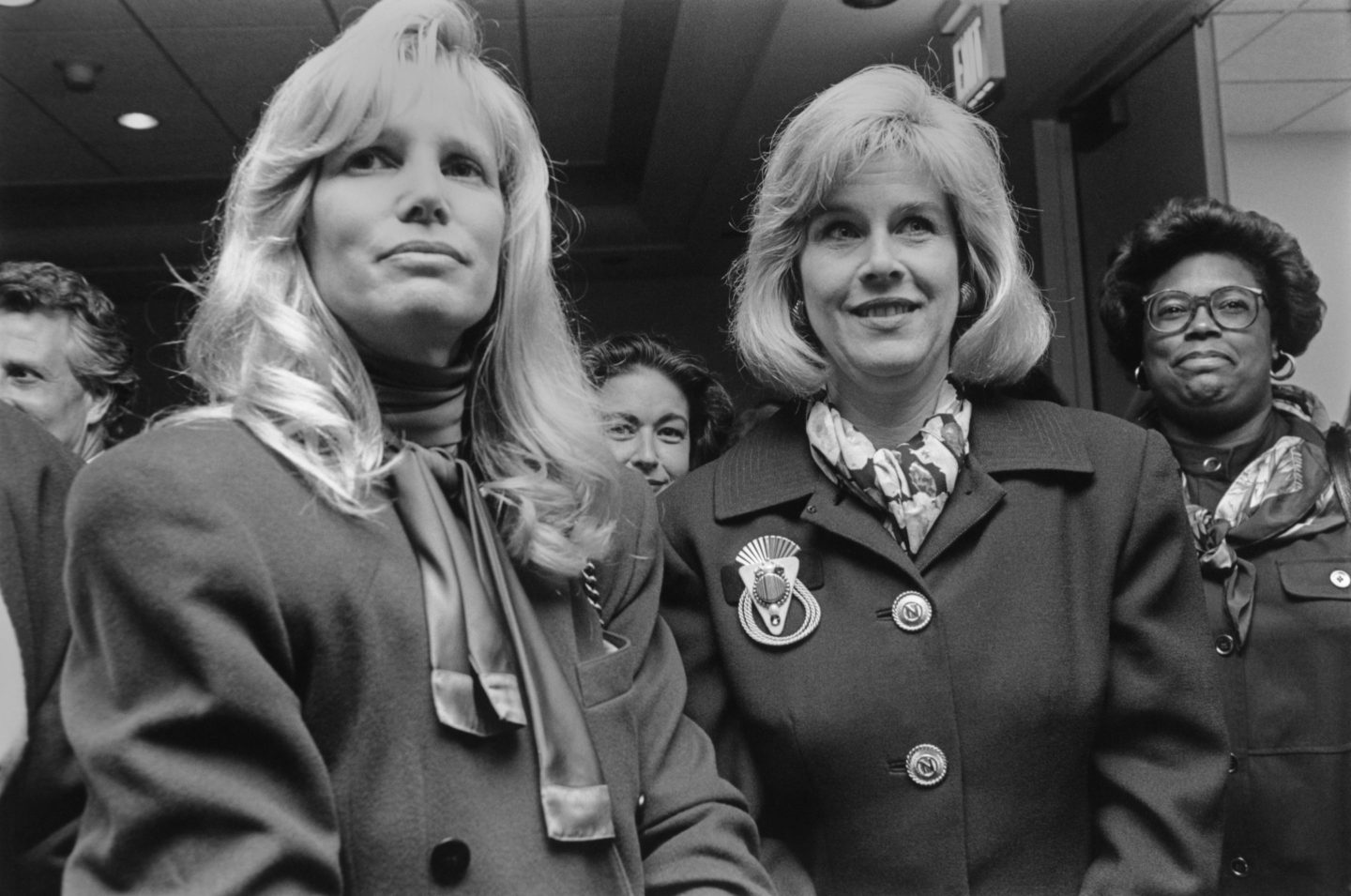
Serving as an assistant Surgeon General, Blumenthal was aware that the U.S. government possessed cutting-edge digital imaging capabilities. However, mammography at that time relied on a 40-year-old analog method, where physicians examined X-ray films using magnifying tools akin to those of jewelers. This approach felt outdated compared to the advanced, computer-driven systems she learned about from various federal agencies. As she explained, “We have the ability to image the surface of Mars and monitor missiles in space—why can’t we detect tiny tumors here on our planet?”
Determined, Blumenthal contacted James Woolsey, the CIA director at the time, requesting assistance in tackling an issue that claimed approximately 45,000 American lives each year. Her status as a federal public health official with a military-equivalent rank probably encouraged Woolsey to engage.
Woolsey reflected on the exchange in a Clinton-era presidential oral history: “Jim, this is an unusual ask,” he remembered Blumenthal stating, inquiring if the intelligence community could aid in enhancing mammogram diagnostics.
“It strikes me as improbable, but perhaps not out of reach,” Woolsey responded.
The Pentagon’s Keenest Image Analysts
At its core, mammograms involve images that are meticulously reviewed by expert observers for concealed abnormalities. Consequently, Woolsey reached out to Jeffrey Harris, leader of an intelligence body renowned for its exceptionally skilled image analysts within the Pentagon: the National Reconnaissance Office. The NRO designs the nation’s spy satellite constellation and analyzes the imagery they capture. Just two years earlier, the government had publicly confirmed the agency’s existence.
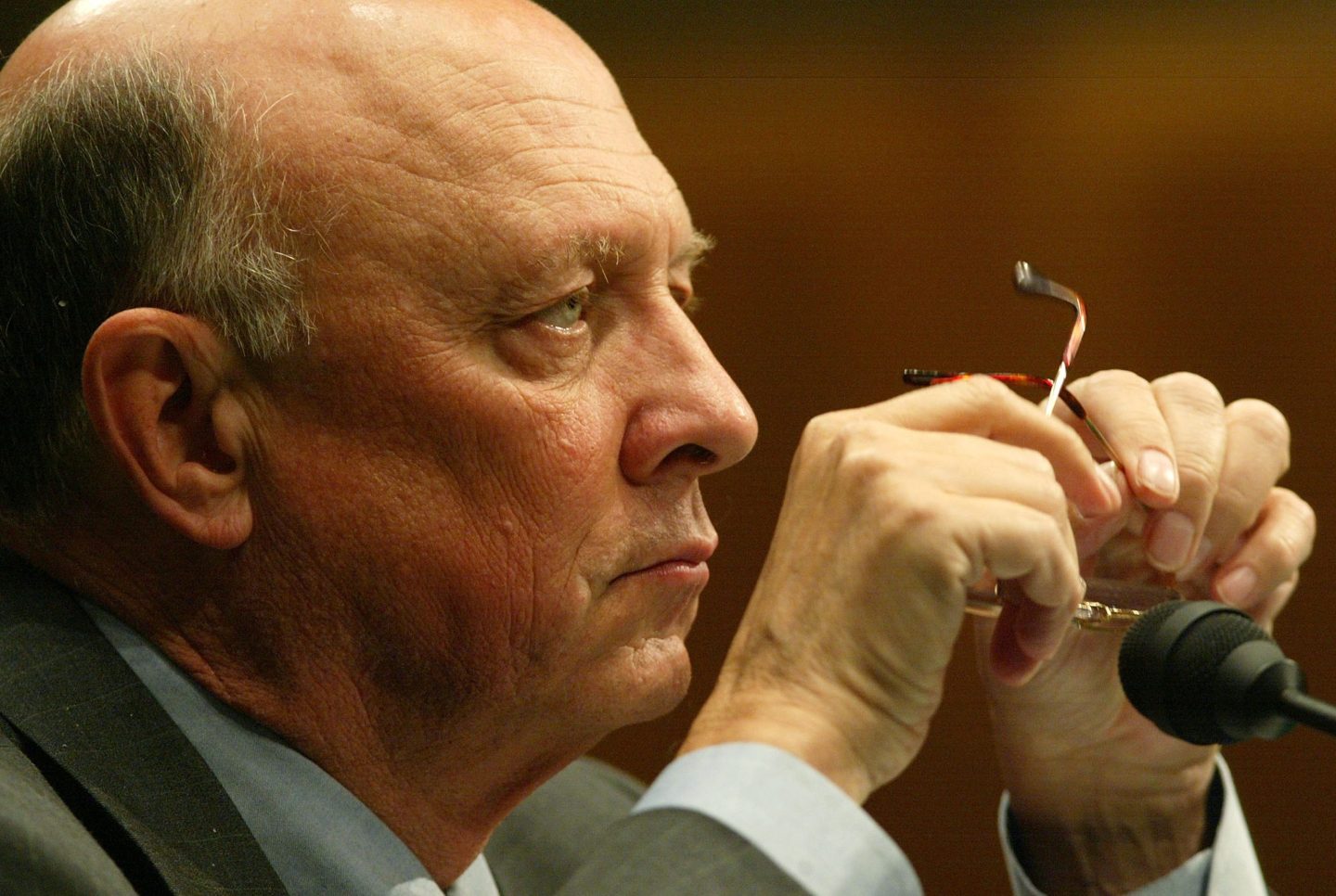
Harris, the inaugural NRO director permitted to openly acknowledge his position, managed teams that developed pioneering software and hardware for digital image handling, including the robust, vintage-style IDEX workstation now exhibited at the Smithsonian.
“Over the years, the intelligence sector invested hundreds of millions across multiple iterations to create and deploy this technology,” Harris explained. “We were pioneering the mathematical techniques for processing digital visuals.”
Following his discussion with Blumenthal, Harris resolved to conduct a study for the benefit of American women, testing whether algorithms refined for identifying Soviet or Russian missile sites could apply to mammograms.
Harris had laboratory staff confident in their potential contributions. Among them was physicist and imaging specialist Sam Grant, who needed to adapt to openly discussing his work at home for once.
“You collaborate with colleagues in an entity that officially doesn’t exist,” Grant chuckled. “That mindset becomes ingrained.”
Grant’s initial task involved recruiting his wife to understand mammogram image production. He was shocked to discover the breast compression process. “I accompanied my wife to her mammogram and observed the data collection—it was astonishing,” he recounted. “Essentially, they compress the breast in a clamp.”
The NRO group also collaborated with Massachusetts General Hospital researchers in Boston, who supplied around 200,000 mammogram images, including many confirmed cancer cases. The team digitized these analog X-rays and processed them using an early AI form—a neural network originally tuned to detect missile installations in satellite views of Russian woodlands.
“Humans train the algorithm, which then flags, ‘I’ve detected a compelling pattern amid dense forest—is this noteworthy?’” Harris described.
The system had learned that distinct, sharp objects like missile launchers typically aligned with roadways, appearing as extended linear elements in imagery. These crisp boundaries and paths enabled detection despite foliage interference.
“That feature allowed the AI to effectively identify targets,” Harris noted.
Transitioning from Missile Detection to Spotting Microcalcifications
Remarkably, this approach adapted seamlessly to mammograms. Early breast cancer often manifests as microcalcifications—minute calcium accumulations in breast tissue. While not all prove malignant, those aligned linearly along milk ducts within the breast strongly correlate with cancer.
“The ductal structures resembled dirt paths weaving through woods, captivating the algorithm,” Harris observed.
By pinpointing higher-risk calcium clusters, the NRO algorithm minimized false positives, sparing women unnecessary biopsies or repeat compressions.
Though architecturally distinct from contemporary tools like ChatGPT, this early AI employed similar foundational neural networks for pattern recognition in complex datasets. Like today’s advanced mammography aids, modern large language models benefited from government support that sustained development during periods of low commercial viability. Examples include the 2010 NSF grant fueling ImageNet’s deep learning surge and a $25 million DARPA deal that year, which sustained Nvidia when GPU applications beyond gaming seemed unviable.
Government involvement extends beyond foundational research, nurturing everyday commercial innovations—from SBA-supported funding that propelled Apple to spy-derived tech enabling GPS and satellite mapping in smartphones.
Such advancements stem from what economist Mariana Mazzucato terms “the entrepreneurial state”—ongoing public funding that propels tech innovation across its full development cycle.
“The technologies making smartphones intelligent rather than basic relied on government investment,” Mazzucato emphasized. “If government limited itself to mere R&D, you’d discard your iPhones!”
Advancing Mammography into the Digital Era
Likewise, discard your digital mammogram results. In the 1990s, digital mammography and AI-assisted diagnosis were nascent. The collaborative team of oncologists and intelligence experts assembled by Blumenthal accelerated progress.
When Mass General researchers tested the NRO algorithm as a supplementary reviewer to radiologists, Grant reported a 15% drop in false positives. The conclusion was evident: Pairing digital images with pattern-detection software enhanced accuracy.
Blumenthal credits these innovations with laying groundwork for today’s expansive, life-preserving digital mammography sector. Over 34 million U.S. women undergo yearly screenings, incurring more than $11 billion in annual costs covered by individuals or insurers. Crucially, research suggests mammograms have prevented up to 600,000 deaths since 1989.
This success likely explains why CIA Director Woolsey highlighted the initiative—dubbed “Missiles to Mammograms”—among his accomplishments in a 2010 presidential history interview. It’s also why Sam Grant, typically silent about his NRO tenure, chose to share his story: “I’ve taken pride in it from the beginning.”