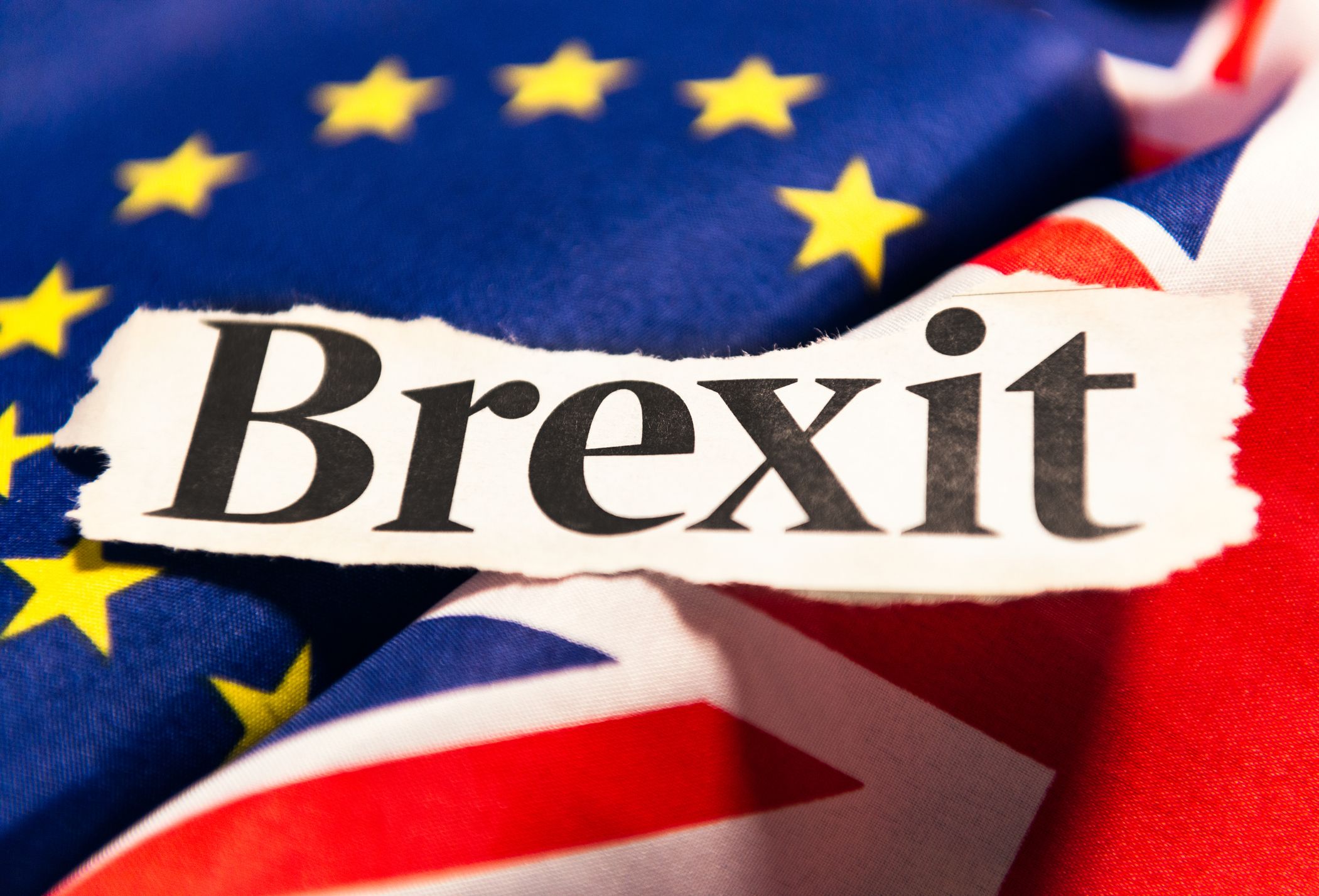
Brexit Fallout: Time for UK to Rejoin EU?
It’s approaching a full decade since the UK public opted to exit the European Union through Brexit. Recent surveys indicate that most people now view the outcome as a failure. Excessive effort has been squandered pursuing an elusive compromise that simply isn’t feasible. This ongoing ambiguity has postponed corporate investments and stifled overall economic expansion. heightened frictions at borders have disrupted the United Kingdom’s commerce with the EU, particularly in certain product categories. The political atmosphere remains bitterly divided. Notably, immigration into Britain has skyrocketed instead of being curbed, and the special arrangements for Northern Ireland have eroded the United Kingdom’s unity.
Balanced Perspective on Brexit’s Outcomes
Nevertheless, this imperfect implementation of Brexit hasn’t triggered the catastrophic downturn that critics forecasted. The United Kingdom maintains its position as Europe’s top choice for international capital inflows. Local investments are recovering as ambiguities diminish. Notable strides have been made in reducing trade obstacles with nations beyond Europe. Concurrently, the services sector has experienced robust growth. London’s financial hub thrives, advocating for the merits of streamlined oversight. Susan Langley, the recently appointed mayor, has declared that harmonizing financial standards with the EU is off the table and cautioned against tethering rules to any one authority.
Adding further complexity, some contend that America’s growing inward focus under Donald Trump bolsters arguments for the UK to forge tighter bonds with the EU.
Revived Discussions Amid Shifting Politics
This intricate context has revived longstanding Brexit controversies. So far, Keir Starmer’s Labour administration has navigated a centrist path with reasonable effectiveness. Labour has adhered to the boundaries outlined in its 2024 platform, which categorically rejected re-entering the EU single market or customs union and opposed reinstating free movement of people. Simultaneously, the government has advanced trade pacts initiated by the prior Conservative leadership and pursued incremental separation from EU directives in fields like financial services and animal welfare—changes widely regarded as improvements. Until lately, the anticipated UK-EU recalibration seemed broadly acceptable. The proposals focused on refining post-Brexit frameworks in straightforward ways, such as aligning veterinary certifications and professional credentials, and easing conditions for performing artists on tour.
These efforts have yielded tangible advantages. Public and business concerns about Brexit have plummeted in priority. The Bank of England’s Brexit Uncertainty measure, which plunged post-2019, has stayed subdued during Labour’s tenure. However, this balanced approach seems increasingly untenable. Labour positioned Brexit as an irreversible reality, yet 2026 might mark a pivot.
This shift stems partly from Labour’s internal dynamics. Starmer’s time as leader may be winding down. Contenders like Wes Streeting and David Lammy have deviated from the line, endorsing a fresh UK-EU customs arrangement, at least by implication. This aligns with YouGov data showing 80% of Labour supporters in favor. Influential trade unionists and media voices are also championing the customs union cause.
This mirrors broader conversations: Could deeper EU connections alleviate the UK’s economic woes? Proponents suggest a customs union as a prudent initial move. Some propose enhanced single market entry via greater adherence to EU standards. Yet, closer examination reveals the options are far more nuanced.
Understanding the Customs Union Concept
Essentially, a customs union eliminates tariffs on nearly all goods exchanged among participants. To function, members impose identical external tariffs on imports from non-members. A non-EU country like the UK cannot access the EU’s formal Customs Union. That said, a narrower customs union with the EU is conceivable, akin to Turkey’s model or Theresa May’s early Withdrawal Agreement proposal.
Challenges of a UK-EU Customs Union
Three strong arguments militate against pursuing this. Primarily, tariff reductions would offer minimal gains. The current EU-UK Trade and Cooperation Agreement already ensures tariff-free, quota-free trade for most goods. True, some UK exports to the EU incur duties if rules of origin aren’t satisfied—think advanced manufacturing or low-value items where compliance is burdensome. Any residual advantages would be offset by the UK’s requirement to adopt the EU’s steeper tariffs on global imports. The UK might also need to remit customs duties to the EU and grant market access to EU trade partners without assured mutual benefits.
Secondly, non-tariff hurdles persist with scant relief. Border inspections would endure, particularly outside the single market and Schengen Area. Mitigating these demands wholesale adoption of EU regulations—without input on their formulation.
Thirdly, autonomous trade negotiations would be crippled. Limited service-sector deals might remain viable, but goods trade would be constrained. Existing post-Brexit agreements would require overhaul, as Starmer has noted. Many could be scrapped outright, tarnishing the UK’s reliability. For example, UK goods exporters enjoy reduced US tariffs compared to EU rivals—a Brexit perk that would vanish.
Clear articulation of these drawbacks would likely erode support for a customs union. YouGov’s prior polling revealed just 9% of Labour voters willing to cede tariff decisions to outsiders.
Myths Surrounding Single Market Realignment
Misleading assertions about economic upsides abound. The Liberal Democrats cite a February 2025 Frontier Economics analysis claiming a customs union would lift GDP by 2.2% and tax income by £25 billion. In truth, this hinges on optimistic projections linking minor trade openness gains to productivity surges.
Furthermore, the analysis simulates regulatory alignment via mutual recognition across goods and services—far beyond a mere customs union.
Advocates insist the EU would extend generous terms, but history suggests otherwise. Recent reset talks have bogged down as the EU demands maximum concessions—like inflated fees for Erasmus participation or defense contributions. Embracing the EU’s carbon scheme would hike energy prices via extra levies.
Evidence for single market realignment delivering growth is thin. The EU excels at orchestrated stagnation and bureaucratic excess.
One might claim the EU suffers sans the UK’s pro-market influence. Conversely, hitching to a faltering bloc amid eurozone woes and defense escalations defies logic. The UK better serves by exemplifying supply-side reforms and agile rules externally. Europe’s top financial institutions urge EU regulators to emulate the UK’s growth-focused mandate, pushing for simpler compliance.
Embracing Brexit’s Core Promise
This aligns with an optimistic Brexit outlook rooted in fundamentals. The 2016 referendum reclaimed sovereignty over borders, legislation, and finances. Surveys confirm enduring public preference for domestic policymaking across domains beyond trade. Ceding ground to the EU contradicts this. Thus, the UK must diverge in high-potential fields like AI and biotech, control its trade agenda, and select immigrants.
This vision clashes with studies decrying Brexit’s toll on trade, output, and expansion. Yet, like polls, deeper scrutiny is warranted. Consider the oft-cited 4% and 8% figures pushed by rejoin advocates.
The Office for Budget Responsibility’s 4% long-run productivity dent merits attention but is misconstrued. It’s an aggregate of 13 pre-deal external analyses using outdated models—nine pegged impacts below 4%. The core assumes 15% drops in UK import/export intensity versus EU stay scenario, spanning all trade globally. Data barely substantiates this; UK trade-to-GDP ratios mirror EU peers, not plummeting.
Consensus holds UK trade resilient post-Brexit. Minor intensity dips won’t dent productivity in an open powerhouse economy. Adjustments, new deals, and EU laggards will erode drags. Critically, the OBR ignores upsides like trade pacts, immigration tweaks, and superior rules—deeming them minor or prospective.
Scrutinizing Extreme Brexit Damage Claims
A starker claim: a November NBER working paper posits an 8% GDP shrinkage since 2016—a calamity. Yet it flunks basic plausibility. UK growth hit 12% since then, topping Japan, Germany, Italy, France. Reversing 8% would crown the UK G7 growth leader after the US—improbable.
The NBER method contrasts UK per-capita GDP trajectories against global peers, attributing shortfalls to Brexit. Flaws abound: US dominance skews averages via cheap energy, stimulus, AI frenzy. Their ‘doppelgänger’ algorithm weights the US at 61.4%, Estonia 10.9%, Greece 9.5%, plus Latvia, Iceland, Hungary—no Germany or France. Pre-Brexit fits falter amid shocks like Covid and energy woes differentially impacting the UK.
Canada, not Brexit UK, trails G7 per-capita growth—linked to immigration surges, not EU ties.
Charting the UK’s Post-Brexit Path
Ultimately, Brexit impact narratives lean on shaky premises and cherry-picked stats. Negative effects exist but demand scrutiny on scale, persistence, and alternatives.
Forward-looking, the UK faces a fork. Some insist prosperity demands full EU detachment. Yet Labour might campaign on closer realignment short of membership—an honest pivot from ambiguity. Reigniting Brexit strife risks renewed volatility, especially with EU’s punitive stance intact.