Board Directors Emerge as Top CEO Contenders in Firms
Selecting board members to serve as chief executive officers was historically viewed as an extreme measure, akin to breaking glass only during crises like scandals, health issues, or abrupt resignations. Although this approach still represents a smaller fraction of appointments when compared to conventional promotions from within the executive ranks, it has evolved beyond being a rare occurrence.
Recent insights from Spencer Stuart underscore this notable transformation. Among the 168 fresh S&P 1500 CEOs appointed in 2025—the largest yearly figure since 2010—19 individuals were sourced directly from their companies’ boards, marking the highest number since 2020. Spencer Stuart categorizes these directors as external figures since they do not handle daily operational duties. Nevertheless, an increasing number of corporate boards are opting for this selection method.
This uptick aligns with heightened levels of executive turnover. In 2025, CEO exits within the S&P 500 hovered around 13%, as reported by various governance monitoring organizations, compelling boards to address both performance demands and leadership succession challenges concurrently. While internal contenders like chief operating officers and heads of divisions continue to dominate new hires, boards facing the need for strategic overhauls occasionally bypass executives tied to prior strategies. At the same time, prominent instances of bringing in high-cost outsiders have underscored the potential pitfalls of such searches, which often aim for transformation but result in instability instead.
The Insider-Outsider Edge
In this context, board directors provide what consultants to boards term a valuable insider-outsider equilibrium. These individuals possess deep knowledge of the organization’s strategic direction, financial resource distribution, and overall risk landscape. However, they avoid being confined to one specific operational area. This detachment facilitates reprioritizing initiatives without abandoning the company’s overarching vision.
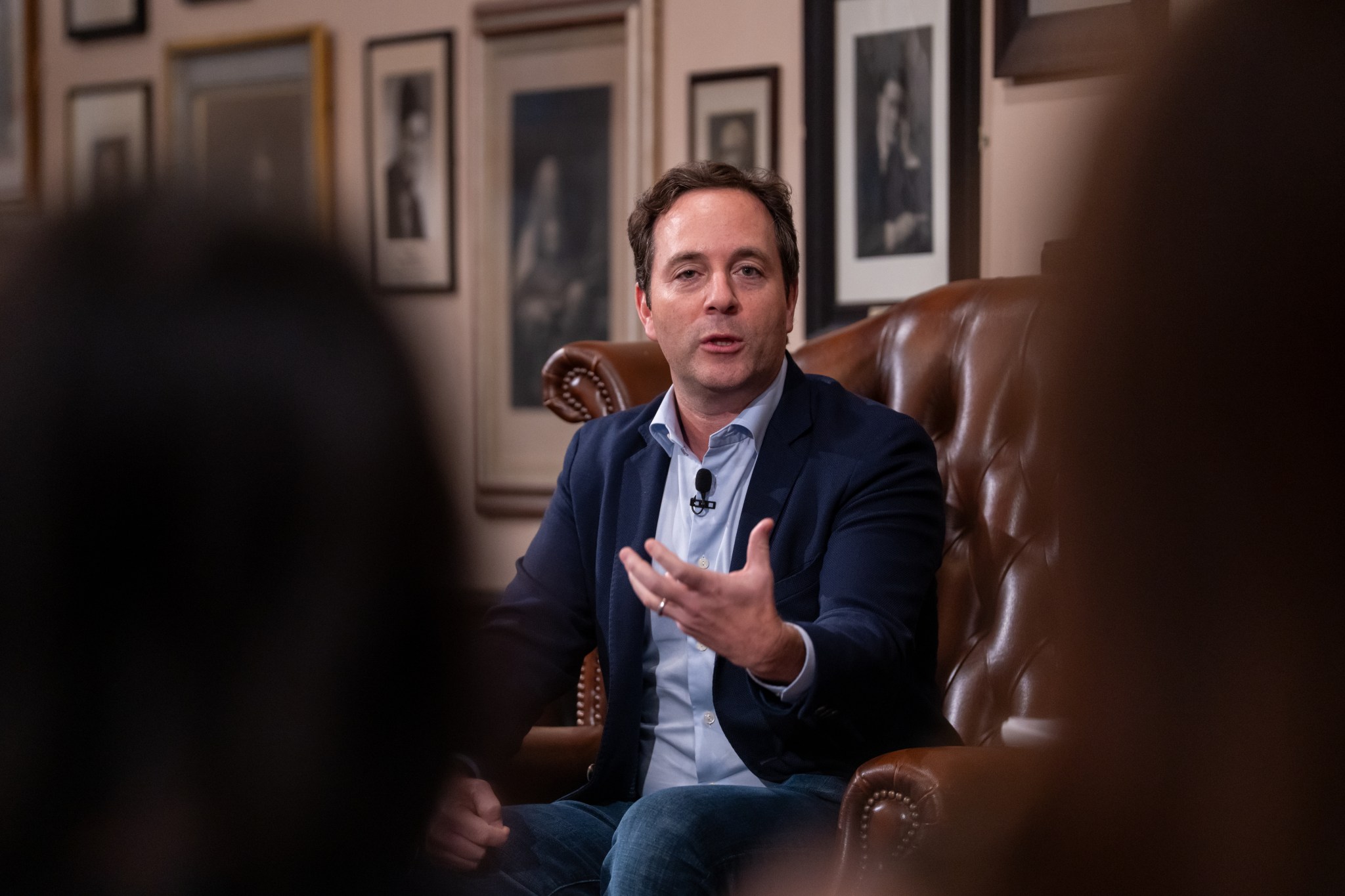
Contemporary examples illustrate how this strategy is unfolding in diverse industries. For instance, at Constellation Brands, Nicholas Fink stepped into the CEO role in February 2026, having been a board member since 2021. Similarly, Match Group promoted board director Spencer Rascoff to CEO in 2025 to fast-track advancements in products and artificial intelligence efforts.
Additional cases further exemplify this trend. Bed Bath & Beyond named its executive chairman, Marcus Lemonis, as the full-time CEO in January 2026, right after the firm exited bankruptcy proceedings. Science Applications International Corp. likewise appointed James Regan as permanent CEO in February 2026, following his board tenure that began in 2023.
These selections do not indicate a breakdown in traditional succession strategies. Promotions from within the company hierarchy persist as the primary avenue to the top position. Rather, boards are expanding their talent pools and incorporating greater flexibility into their leadership development frameworks, particularly during periods of intense executive movement.
This development also mirrors changes in board composition. An expanding proportion of directors consists of current or recently retired CEOs equipped with substantial hands-on management backgrounds. This shift has fostered a capable reserve of talent right within the boardroom. Potential leaders can be assessed through extended periods of strategic discussions and handling crises long before they are considered for the helm. Experts in governance portray this method as a deliberate succession blueprint.
Implications for C-Suite Aspirants
For those executives aiming for the CEO position, the field of competition has undergone a significant evolution.
The threshold for demonstrating preparedness has risen considerably. Executives vying internally are no longer solely pitted against colleagues in nearby offices. They now face evaluation alongside board directors who have previously led public corporations and cultivated trust with shareholders. During turbulent times, such seasoned backgrounds often present a safer bet for boards.
Succession timelines are shortening as well. With boards potentially nurturing successors from their midst on an informal basis, internal hopefuls must exhibit company-wide leadership capabilities at an earlier stage. Relying on established succession protocols might prove tardy. Those pursuing the pinnacle role require prominent involvement in boardroom conversations, familiarity with organization-spanning risks, and a well-defined vision for sustained growth.
Yet, this change also presents avenues for advancement. Boards inclined to promote directors typically seek individuals blending deep operational expertise with refined governance acumen. Senior executives who actively interact with board members, participate in outside boards, and extend their influence across multiple areas can bolster their candidacy. The closer an executive’s current demeanor aligns with CEO responsibilities, the more challenging it becomes for a board to select an alternative—even if that alternative sits among them.