Billionaire Trump Backer Halts Texas Warehouse Sale for ICE Detention
Speculation about an Immigration and Customs Enforcement (ICE) detention facility in a Texas community has elicited a strong rebuttal from a wealthy supporter of former President Donald Trump. Such facilities have drawn comparisons to concentration camps by critics.
Amid growing rumors that ICE was targeting warehouse properties to develop additional detention centers—potentially expanding on initiatives like the discontinued “Alligator Alcatraz” or the family separation camps from Trump’s initial presidency—billionaire Edward Roski Jr. took a resolute stance.
Roski acknowledged that the Department of Homeland Security (DHS) had indeed contacted his firm, Majestic Realty, regarding the sale of a massive 1-million-square-foot warehouse capable of accommodating up to 9,500 beds. However, he made it clear that this transaction would not proceed, nor would Majestic Realty entertain any similar proposals in the future.
“Majestic Realty Co. has not and will not enter into any agreement for the purchase or lease of any building to the Department of Homeland Security for use as a detention facility,” the company declared in an official statement. They further expressed enthusiasm for pursuing alternative buyers or tenants who could contribute positively to local economic development.
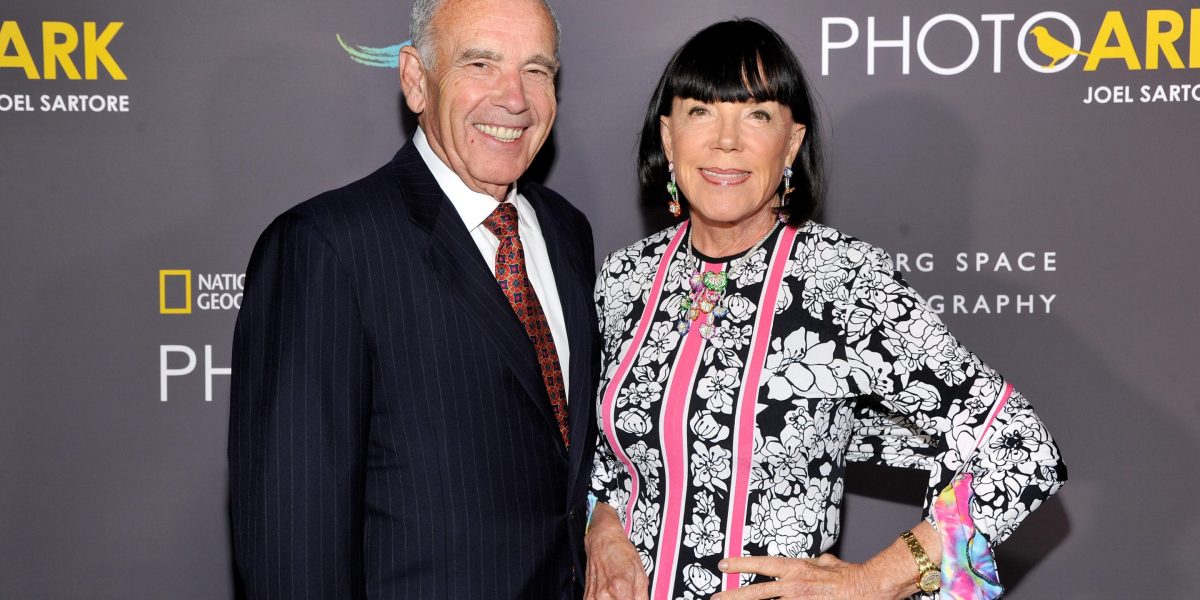
Headquartered in Los Angeles, Majestic Realty is under the ownership of Roski, whose net worth is estimated at around $7 billion. He holds co-ownership stakes in prominent sports franchises such as the Los Angeles Kings, Los Angeles Lakers, and the Crypto.com Arena. A dedicated Republican, Roski contributed a total of $200,000 to Donald Trump’s 2024 presidential campaign, as documented in federal election records referenced by various reports.
This particular warehouse was listed among more than two dozen potential sites evaluated by DHS for conversion into detention centers, according to multiple news sources. Majestic Realty provided no detailed explanation for rejecting the offer or the reasons behind DHS’s interest in the property. The company chose not to elaborate beyond their prepared statement.
In the previous year, legislation known as the One Big Beautiful Bill Act earmarked $45 billion specifically for constructing new detention facilities. The current administration intends to establish over two dozen large-scale “mega centers,” including repurposed warehouses, to house immigrants, as detailed in a December report.
Over recent months, DHS has intensified efforts to acquire properties suitable for detention operations. For instance, in January, the agency purchased a location in Williamsport, Maryland, for $102.4 million and another in Surprise, Arizona, for $70 million, according to available reports.
Roski is not alone among high-profile business magnates whose firms have opted against selling to DHS. Earlier, Canadian billionaire Jimmy Pattison’s development enterprise withdrew from a deal involving a 550,000-square-foot warehouse in Virginia. This decision followed public protests and warnings of boycotts targeting Pattison’s broader portfolio of companies.
Local media in Hutchins, Texas—a small community of approximately 6,000 residents—highlighted widespread opposition to the proposed ICE facility. This included vocal resistance from Mayor Mario Vasquez, who emphasized that the town’s warehouses were intended for storage purposes, not for detaining individuals.
Following the announcement, Mayor Vasquez issued a statement praising the property owner: “I want to first commend the owner of the building, Majestic Realty, for their decision, and we look forward to working with Majestic Realty to find a tenant that is a good fit for the City of Hutchins.” He reassured residents that “your concerns did not go unnoticed,” reflecting the impact of community feedback on the outcome.
These developments underscore the tensions surrounding the expansion of immigration detention infrastructure, particularly in areas where local leaders and residents prioritize economic and community interests over federal initiatives. As DHS continues its search for suitable sites, instances like this highlight how private sector decisions, influenced by public sentiment and individual principles, can shape policy implementation on the ground.