Barings Emerging EMEA Trust Recovers from Russia Setback
The Barings Emerging Europe trust suffered a devastating impact from Russia’s invasion of Ukraine. Approximately 28% of its portfolio was allocated to Russian assets, which were suddenly rendered valueless. Consequently, the trust’s share price plummeted to roughly half of its peak level from early 2022 by the end of 2023.
Despite this severe setback, the management team at Barings and the board chose to persevere. They expanded the investment mandate to encompass the Middle East and Africa, in addition to Eastern Europe and Central Asia, and rebranded the trust as Barings Emerging EMEA Opportunities. Since then, the share price has rallied impressively, nearly returning to its four-year high, even though it continues to trade at a 17% discount to its net asset value. The board has consistently repurchased shares, resulting in a leaner trust with net assets totaling £110 million.
How Barings Emerging EMEA Trust Diversified Its Portfolio
The investment universe for BEMO represents a fascinating mix of markets. In the MSCI Emerging Markets index, Asia dominates with more than 80% weighting, while Latin America holds about 8%, leaving roughly 11% for Emerging Europe, the Middle East, and Africa. Several markets within this group, such as the Gulf states and the northern portions of Eastern Europe, are no longer truly emerging in the traditional sense. The region lacks any uniform geographic, political, economic, or social characteristics, which paradoxically enhances its diversification across various sectors, individual companies, and unique investment opportunities.
South Africa played a pivotal role in driving the trust’s impressive 26% return last year, comprising 31% of the portfolio by year-end. Key holdings included substantial stakes exceeding 5% each in two prominent gold mining companies, AngloGold Ashanti and Gold Fields, alongside more than 6% invested in Naspers. This South African firm is a major player in internet, technology, and multimedia sectors, holding an indirect 31% stake in the Chinese technology powerhouse Tencent. South African banking stocks have also delivered strong results, bolstered by an improving political landscape and economic conditions.
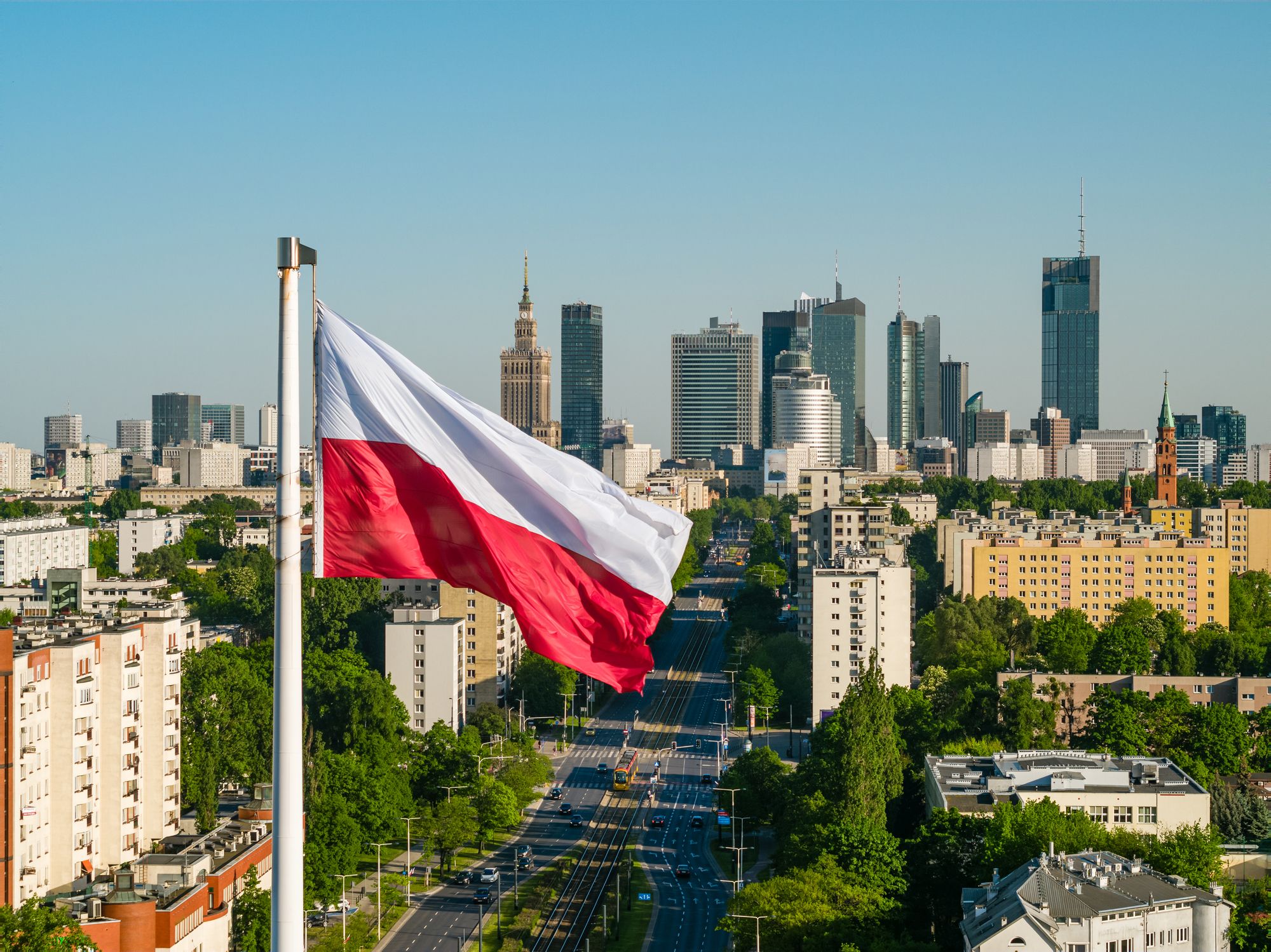
Eastern Europe has emerged as another standout performer, particularly Poland, which accounts for 13% of the portfolio. Poland’s swift economic expansion positions it to surpass many Western European nations in terms of prosperity in the coming years. Holdings in Hungary and the Czech Republic have similarly delivered solid gains, while investments in Greek banks have capitalized on the country’s ongoing economic rebound. With oil prices remaining subdued, the trust’s strategy of steering clear of Saudi Aramco has aided relative performance. Although the broader 22% exposure to Saudi Arabia somewhat restrained returns, the 10% allocation to the United Arab Emirates provided a counterbalance.
Turkey, representing just 5% of the portfolio, holds significant potential as an opportunity if the government’s handling of economic policies improves. Currently, the fund has no investments in Central Asia or in African markets beyond South Africa. A resolution to the Ukraine conflict could offer additional upside in the future. Even though BEMO’s remaining Russian positions are currently carried at zero value, they might regain worth at some stage. In recent years, the managers have successfully liquidated a small portion of these holdings.
Deserving to Survive
The strong performance in the most recent year builds upon a solid rebound achieved in 2024. There remains considerable room for the discount to narrow further, which could amplify future returns. The shares currently offer a respectable dividend yield of 2.5%, with payouts increased by 5% in 2025. The trust operates without any borrowings at the moment but keeps the option open to introduce gearing if it would boost performance.
BEMO is comparable in scale to BlackRock Latin America, a trust that posted a remarkable 44% return in 2025 following several challenging years. Regrettably, both investment vehicles face existential risks due to being labeled as ‘sub-scale’ by major wealth management firms. Although BEMO successfully passed a continuation vote in October, a notable 33% of votes were cast against it.
Liquidating either trust would result in their respective regions receiving minimal attention, relegated to mere footnotes within broader emerging markets funds that overwhelmingly prioritize Asia. The performance over the past year underscores the folly of such an approach; these overlooked regions possess a strong likelihood of outperforming Asia in the years ahead. Both trusts merit expansion to at least double their present size to better serve investors.