
Bank of England Holds UK Rates at 3.75%: Live Analysis
Good morning, and welcome to our comprehensive live coverage of the Bank of England’s latest UK interest rate decision meeting.
December Inflation Rise Boosts Likelihood of Rate Hold
Elevated interest rates work by constraining the amount of disposable income available to consumers. In principle, this curbs overall economic demand, exerting a cooling influence on inflationary pressures.
However, the most recent inflation figures for December indicated an increase to 3.4 percent. Although this uptick was anticipated by many analysts, it is poised to deter the Monetary Policy Committee (MPC) from implementing a second consecutive rate reduction—a move not seen since the initial quarter of 2020, amid fears that the Covid-19 crisis could devastate the economy.
Grant Slade, an economist with the investment research organization Morningstar, commented: “We anticipate that the UK’s disinflation process will persist throughout 2026, accompanied by a gradual buildup of slack in the labor market.” He added, “Nevertheless, the Bank of England is expected to maintain current rates this month while awaiting additional confirmation that wage increases and wider price dynamics are easing.”
Timing of the MPC’s UK Interest Rate Announcement
The Monetary Policy Committee is scheduled to reveal its interest rate verdict today at 12:00 PM. We will deliver the outcome immediately upon its release, so please remain with us for the latest developments.
Overview of UK Interest Rate Movements
The rate reduction in December marked another step in a series of measured decreases, bringing the UK base rate down to 3.75 percent from its peak of 5 percent in August 2024.
This sharp escalation in rates beginning in January 2022 was the Bank of England’s response to rampant inflation triggered by Russia’s invasion of Ukraine.
During this ongoing easing phase, the MPC has consistently avoided consecutive rate cuts at back-to-back meetings. Analysts do not foresee a departure from this pattern today.
Expert Forecasts Point to Steady Rates
Ongoing inflationary pressures, coupled with the established rhythm of the MPC’s rate-cutting sequence, lead the majority of economists and specialists to predict that rates will remain unchanged at today’s gathering.
Edward Allenby, senior UK economist at the consulting firm Oxford Economics, noted: “Most MPC members foresee the need for additional rate reductions ahead, yet they express worries over the possible intensity of 2026 wage settlements and their knock-on effects on inflation.”
Although the UK economy finds itself in a delicate position, insufficient new information—especially concerning inflation trends—has emerged since the prior meeting to support another immediate cut.
Robert Wood, chief UK economist at Pantheon Macroeconomics, observed: “The influx of data since the MPC’s previous session fails to significantly alter the equilibrium between enduring inflation risks and subdued growth prospects.”
Key Elements to Monitor in Today’s MPC Session
Gatherings such as this one, where the interest rate outcome appears largely predictable, might seem anticlimactic. Nonetheless, critical aspects merit close attention: the voting breakdown among the nine MPC members and the forward-looking statements they provide.
Allenby elaborated: “We believe the latest economic indicators have not been sufficiently soft to persuade a majority to advocate for a cut in February. In fact, the voting divide could widen beyond December’s narrow 5-4 margin, with only Swati Dhingra and Alan Taylor probably supporting a reduction.”

Swati Dhingra, shown here during a 2023 event, stands out as one of just two MPC members who have repeatedly pushed for lower UK interest rates amid the current easing period.
The forthcoming minutes from the meeting will undergo intense review by market watchers to discern potential timing for the next rate adjustment.
Sanjay Raja, chief UK economist at Deutsche Bank, advised: “Observers should focus on discussions contrasting the softening labor market with strengthening price signals from surveys, such as wage agreements reported in the Bank’s Agents survey. The internal dynamics of the MPC, including the emphasis each member places on these factors, will be telling. Dissenters outside of Taylor and Dhingra warrant particular note.”
The Decision-Making Process Behind UK Interest Rates
With the MPC’s announcement imminent, it is instructive to examine the committee’s composition and the mechanism by which it determines UK interest rates.
The nine-member MPC comprises the Bank of England governor (currently Andrew Bailey, who chairs proceedings), three deputy governors overseeing monetary policy (Clare Lombardelli), financial stability (Sarah Breeden), and markets and banking (Dave Ramsden), the chief economist (Huw Pill), plus three externally appointed members selected by the chancellor (Swati Dhingra, Alan Taylor, and Catherine Mann).
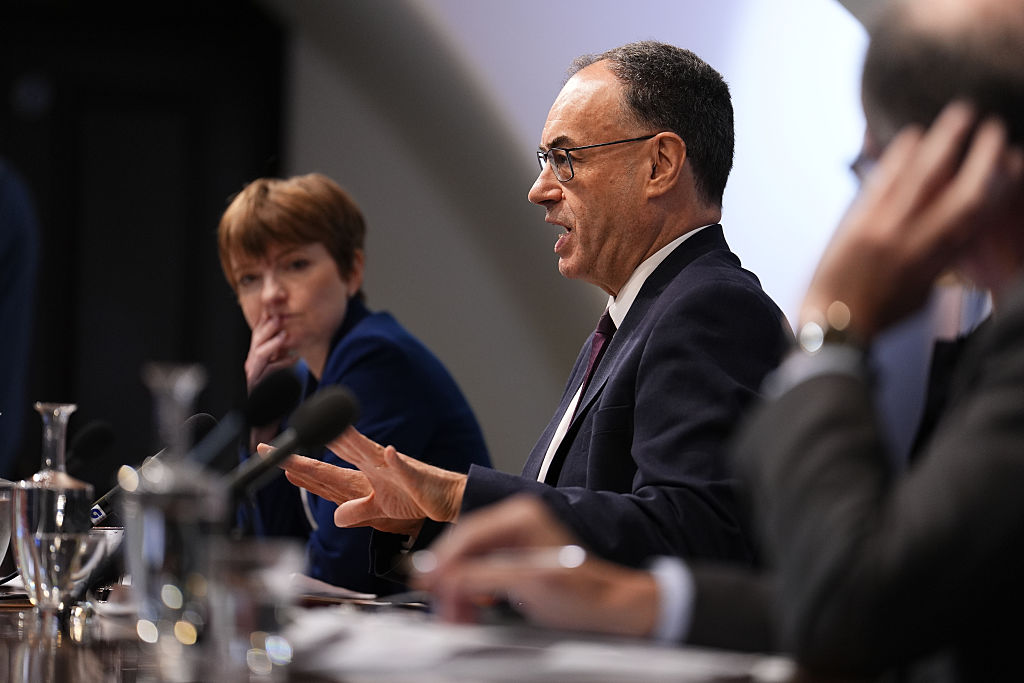
Bank of England Governor Andrew Bailey appears here with Deputy Governor for Monetary Policy Clare Lombardelli, representing two key figures among the MPC’s nine participants.
The group evaluates pertinent economic indicators across multiple sessions before the governor proposes a rate policy. Each member then votes to approve or reject it; those opposing must specify their preferred alternative. Policy adoption requires a majority vote.
Should a tie occur—a rarity given the odd number of voters and need for varied alternatives—the committee proceeds to a revote.
UK Interest Rates Decision: Now Imminent
Midday approaches, signaling that the MPC’s ruling on UK interest rates is just moments away.
Confirmed: UK Interest Rates Remain at 3.75%
Today’s focal points revolve around the committee’s remarks and projections. Detailed breakdowns will follow promptly.
MPC Voting Division Proves Tighter Than Anticipated
The closeness of the vote caught many by surprise, hinting at internal debates over the pace of monetary easing.
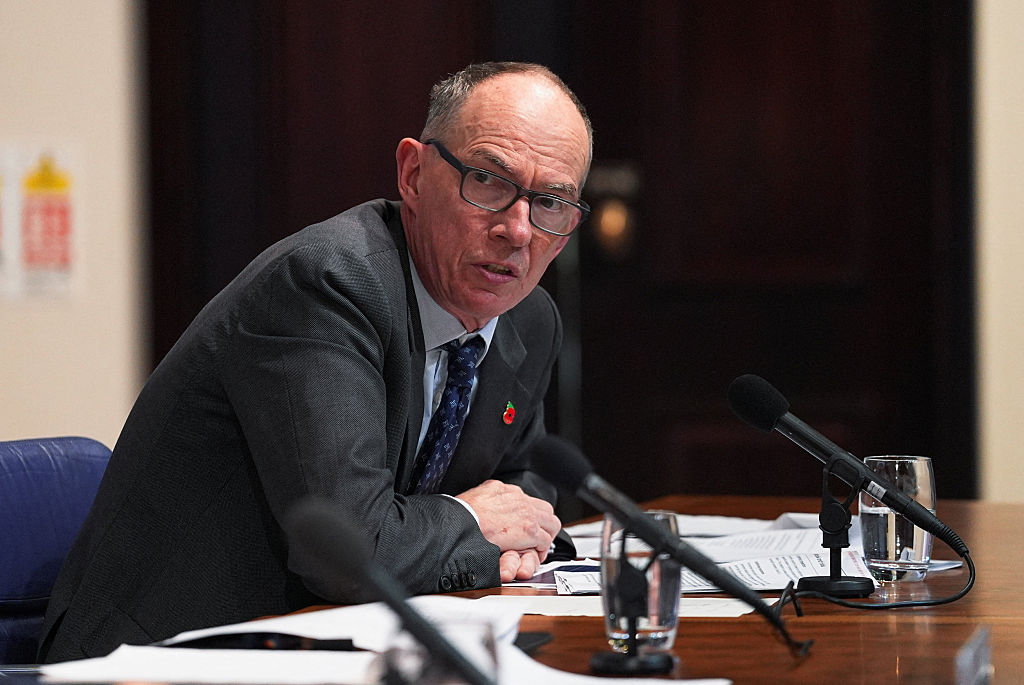
Deputy Governor for Markets and Banking Dave Ramsden addresses the media during a November press conference.
Prospects for Imminent Additional UK Rate Reductions
Questions linger about whether further cuts will materialize in the near term, given the prevailing economic signals.
UK Base Rate Continues Downward Path Overall
This decision fits into the broader historical context of rate adjustments. Susannah Streeter, chief investment strategist at Wealth Club, remarked: “The Bank of England has firmly applied the brakes on rate reductions, prioritizing prudence as officials evaluate uneven growth alongside resilient inflation.”
She continued: “While indicators suggest inflation will moderate in upcoming months, policymakers deem it premature to act, particularly with hints of economic recovery emerging.”
Streeter pointed out the unexpected narrowness of the vote as potentially foreshadowing an earlier-than-expected cut. “This keeps a March reduction firmly on the agenda,” she stated. “Labor market softness, Budget measures lowering energy and transport expenses, and incoming affordable imports from China could tip more votes toward easing next time.”
Navigating a Hesitant Rate Cycle
Patrick Farrell, group chief investment officer at Charles Stanley, described: “The Bank’s messaging underscores the tentative approach at this cycle stage. Mixed signals from inflation and employment create a choppy landscape unlike prior periods.”
He likened it to “awaiting a bus with an unreliable schedule—each step hinges on whether fresh data instills sufficient conviction for action.”
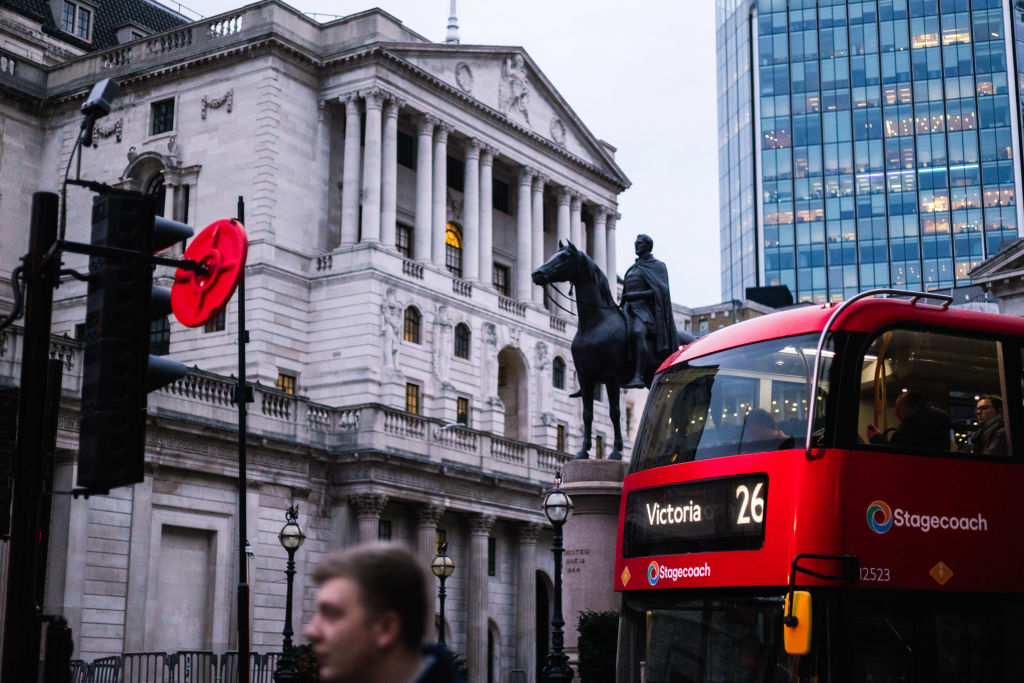
Wage growth patterns are aligning more closely with the Bank’s 2 percent inflation objective, offering some reassurance amid ongoing vigilance.
FTSE Indices Gain on MPC’s Cautiously Optimistic Stance
Following the announcement, the FTSE 100 advanced by approximately 0.4 percent, with the FTSE 250 up around 0.2 percent, although both lagged slightly behind prior day’s levels.
Inflation Projections Adjusted Downward in Latest MPC Update
The accompanying Monetary Policy Report featured notably accommodative language, even from hold voters. It projects headline CPI inflation dipping to 2.1 percent by the second quarter of this year—earlier than previously forecasted—driven significantly by Autumn Budget initiatives on energy costs.
Such projections have fueled speculation of a March rate cut, a scenario few deemed probable beforehand.
Implications of Steady Rates for Personal Finances
Alice Haine, personal finance analyst at Bestinvest, observed: “Savers stand to enjoy prolonged attractive yields, while borrowers seeking mortgage or debt relief must exercise patience.”
She emphasized: “Elevated living expenses and borrowing rates—far above post-Global Financial Crisis lows—coupled with static income tax bands, strain many household budgets.”

The current high-rate environment benefits savers through better returns but increases costs for those with loans or mortgages.