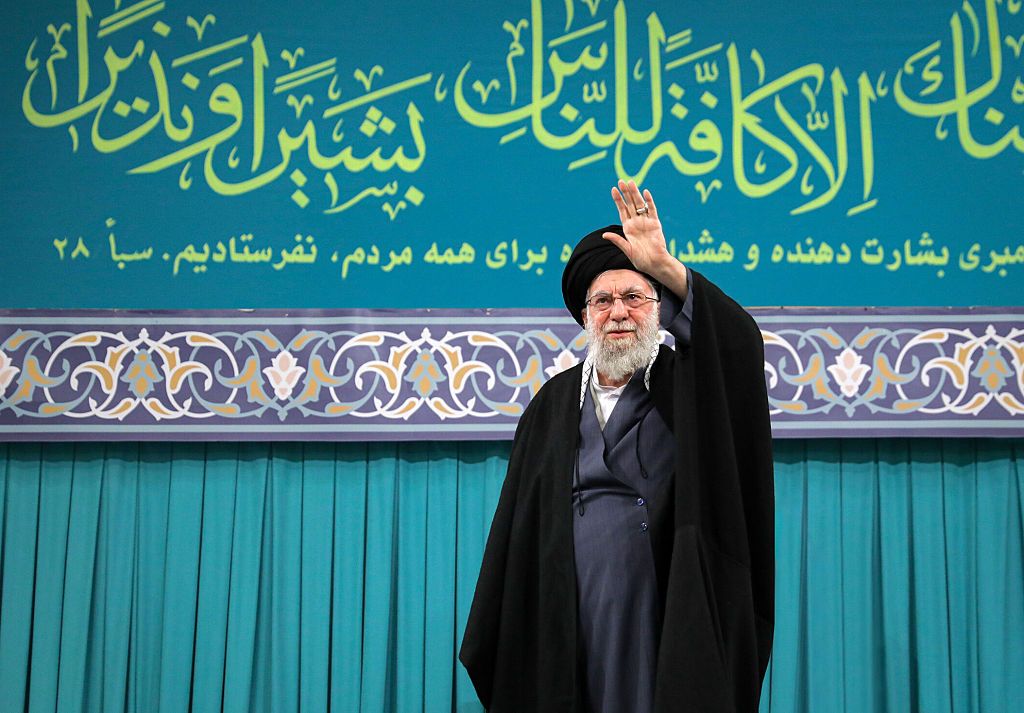
Ayatollah Ali Khamenei: Iran’s Overlooked Supreme Leader
Back in January 1979, Shah Mohammad Reza Pahlavi escaped from Iran, taking along his wife, a few jewels, and even a lump of soil, as noted by author Christopher de Bellaigue. This event marked a pivotal moment in the nation’s history. A striking indicator of how Iran’s Islamic revolution has turned inward and consumed its own ideals is the current fervor among revolutionaries who are now vocally supporting the son of the very shah their parents overthrew decades ago. The Iranian populace has not suddenly embraced monarchy; rather, they are desperately searching for any alternative to oust a tyrannical government that is locked in conflict with its own citizens.
Ayatollah Ali Khamenei: The Architect of Recent Turmoil
The individual responsible for the devastating violence of last month – the most severe episode in the regime’s 47-year reign of bloodshed – is Ayatollah Ali Khamenei. He is a cleric often described as lacking charisma and frequently underestimated by observers. Khamenei rose to power after the death of his mentor, Ayatollah Khomeini, in 1989. Labeled as the regime’s ultimate survivor by various analyses, Khamenei has endured numerous challenges at the age of 86, though his health is reportedly declining. Prior to the latest wave of protests that have cast uncertainty over Iran’s trajectory, discussions about who might succeed him were already rampant. Insiders frequently pointed to his second son, Mojtaba, another cleric, as the frontrunner. However, if Khamenei once envisioned establishing a family dynasty, the unfolding events threaten to dismantle those ambitions entirely. This risk intensifies if the public uncovers the vast scope of the Khamenei family’s business interests both within Iran and abroad.
Khamenei’s Modest Facade and Hidden Wealth
Residing in a secure compound on Tehran’s Palestine Street alongside his family, Khamenei has consistently emphasized his simple and unpretentious way of life. This image of humility stands in sharp contrast to the lavish displays of wealth by numerous other high-ranking officials, which has helped shield him from some of the widespread public resentment. Nevertheless, critics question the genuineness of his purported austerity. As Iran’s supreme leader, he oversees one of the nation’s most affluent entities, established by confiscating thousands of properties and assets in the revolution’s aftermath. This organization, referred to as Setad, oversees billions in commercial assets spanning diverse industries such as insurance, energy, and telecommunications.
The Global Reach of the Khamenei Family Empire
The international business network managed by his son, Mojtaba Khamenei, operates on a smaller scale compared to domestic holdings but remains impressively extensive. It encompasses ventures from shipping operations in the Persian Gulf to Swiss banking holdings and high-end real estate in Britain valued at over £100 million. None of these assets bear Khamenei’s name directly; instead, they are obscured through multiple layers of shell companies. A key figure in many transactions is Ali Ansari, a influential businessman closely linked to the family, who has recently faced sanctions from the UK government. Ansari gained prominence as the head of Ayandeh Bank, a private financial institution that spectacularly failed last year amid swirling accusations of insider lending practices.
The Khamenei family may have viewed these foreign assets as a critical safety net, a reserve fund for potential exile should circumstances force them to flee Iran abruptly. However, the UK’s imposition of sanctions on Ansari, including the freezing of certain assets, has severely disrupted this contingency strategy. These developments place the entire Khamenei empire – both at home and overseas – under mounting pressure, especially as domestic unrest continues to challenge the regime’s stability. The intersection of political power, personal wealth, and international scrutiny paints a complex picture of Khamenei’s enduring influence and the vulnerabilities now exposed within his leadership.